Showing posts with label U.S.. Show all posts

Tuesday, January 7, 2014

Predictions for 2014: Sales Will Surge


Many housing pundits are calling for home sales to do slightly better in 2014 than they did in 2013. To the contrary, we strongly believe that home sales will skyrocket with increases of 10-15% in 2014. Here are the three categories of buyers we believe will create this strong demand.

The First Time Buyer


The Urban Land Institute recently released a report, Emerging Trends in Real Estate 2014, projecting that 4.48 million new households will be formed over the next three years. Millennials will make up a large portion of these new households. With the economy improving, we believe they will finally be moving out of their parents’ homes and, when they compare renting versus buying, many will choose homeownership.

The Move-Up Buyer 


Over the last several years many homeowners were trapped in their home by negative equity. This prevented them from moving up to the home of their dreams. Zillow has just revealed that home equity increased by $1.9 trillion dollars in 2013 an increase of 7.9% in the last twelve months. With home values rising, this pent-up demand will finally be released and move-up properties will be in high demand.

The Immigrant Buyer


No one knows what will happen with immigration reform. However, we do know what such reform would have on housing demand. A recent study released by the Immigration Task Force of the Bipartisan Policy Center (BPC) found that immigration reform, if passed, would dramatically increase demand for housing units; increasing residential construction spending by an average of $68 billion per year over the next 20 years.

We realize that our projections are based on three situations that are still uncertain. However, we believe that these issues will come to fruition and thereby dramatically increase demand for homeownership.


It is up to the builders and real estate agents in each community to make sure this doesn’t happen.

Thursday, December 26, 2013

Tapering Begins!


The Fed announced they would be pulling back some of their stimulus package which has helped the housing market by keeping long term mortgage rates at historic lows for the last few years. This should come as no surprise as the KCM Blog has been warning of this likelihood over the last several months.

We even went against the belief of the vast majority of economists who thought the Fed would wait until next year. In this month’s edition of KCM, we quoted Bill McBride of Calculated Risk:

“Although the consensus is the Fed will wait until 2014 to start to taper asset purchases, December is still possible.”

We also gave our members the following grouping of slides to help them explain the ramifications of the Fed’s decision during meetings with buyers and sellers.

Tapering


What it Means to the Consumer


In an article in MarketWatch today, Lawrence Yun, the Chief Economist at NAR, explained that sellers looking to move-up (to a better school district or larger home) “need to realize that it could be more challenging a year from now.” Yun stated the average 30-year mortgage rate currently hovers at 4.3%, but that could rise to 5% or 5.5% next year.

What it Does NOT Mean to the Housing Market


Some reports will now claim that housing prices will have to drop as interest rates begin to rise. There is no historical evidence of this. Below is a chart showing the last four instances of mortgage rates rising dramatically and what happened to home values at the time.

12-23 Rates and Prices

Bottom Line


If a client is either a first time buyer or a move-up buyer, they should make the move earlier in 2014 instead of later as mortgage rates will probably increase as the year goes on.

Many people ask me when it is the right time to buy or sell. Well, the market is always moving and the right time depends on your personal circumstances. If you are  ready to move forward to that dream home, or downsize, or get a bigger house because the family is growing, or stop paying rent, or jumping into a new job to start with the new year...whatever your reason is, that is the right time for you.

If your time is right feel free to contact me so we can start a marketing campaign to get your home sold or start looking for that place you can call home.

Friday, December 13, 2013

Harvard: 5 Financial Reasons to Buy a Home


Eric Belsky is Managing Director of the Joint Center of Housing Studies at Harvard University. He also currently serves on the editorial board of the Journal of Housing Research and Housing Policy Debate. This year he released a new paper on homeownership - The Dream Lives On: the Future of Homeownership in America. In his paper, Belsky reveals five financial reasons people should consider buying a home.
Here are the five reasons, each followed by an excerpt from the study:

1.) Housing is typically the one leveraged investment available. 

“Few households are interested in borrowing money to buy stocks and bonds and few lenders are willing to lend them the money. As a result, homeownership allows households to amplify any appreciation on the value of their homes by a leverage factor. Even a hefty 20 percent down payment results in a leverage factor of five so that every percentage point rise in the value of the home is a 5 percent return on their equity. With many buyers putting 10 percent or less down, their leverage factor is 10 or more.” 

2.) You're paying for housing whether you own or rent. 

“Homeowners pay debt service to pay down their own principal while households that rent pay down the principal of a landlord.”

3.) Owning is usually a form of “forced savings”.

“Since many people have trouble saving and have to make a housing payment one way or the other, owning a home can overcome people’s tendency to defer savings to another day.”

4.) There are substantial tax benefits to owning. 

“Homeowners are able to deduct mortgage interest and property taxes from income...On top of all this, capital gains up to $250,000 are excluded from income for single filers and up to $500,000 for married couples if they sell their homes for a gain.”

5.) Owning is a hedge against inflation.

“Housing costs and rents have tended over most time periods to go up at or higher than the rate of inflation, making owning an attractive proposition.”

Bottom Line

We realize that homeownership makes sense for many Americans for many social and family reasons. It also makes sense financially.

Monday, December 9, 2013

Buying a Home? Don't Let Fear Get in Your Way

financial burden


Our founder, Steve Harney, occasionally asks to do a personal post on what he sees as important to our industry. Today we are reposting one of his favorites from this past summer. Enjoy! – The KCM Crew

Last week, I was talking to a young couple I know that was about to close on their first home. They were riding the wild rollercoaster of current mortgage rate swings and were not happy about the mortgage process overall. Yet, when the conversation shifted to finally living in a home that they own, their disposition changed dramatically.

A smile came across their faces as they talked about decorating their son’s bedroom and how much he will enjoy the backyard. They talked about inviting friends over for dinner and their family over for the holidays. The more they talked, the more excited they became.

I asked them if many of their friends were also buying. I was shocked to find out that they weren’t. Why not? Their friends believed that homeownership was financially unobtainable right now. Many wanted to own but didn’t think they could afford the monthly mortgage payment. They decided to rent instead.

I said that, with interest rates and prices where they are today, owning a home might not be any more expensive than renting one. The couple agreed but said their friends were afraid; afraid they might not qualify for a loan, afraid to handle negotiations with a seller, afraid of the home buying process itself.

Wow!

People should not make decisions out of fear! I’m not saying that every young person should own a home. I am saying that anyone that is qualified and wants to buy should not be afraid of the process. I realize the process may seem daunting but realize over 10,000 homes sell every day in this country. Sit down and discuss your goals with professionals from both the real estate and mortgage industries. Get the facts. Make an informed decision. Don’t let the fear of the unknown prevent you from living the life of your dreams.

Tuesday, November 12, 2013

Where Prices are Headed over the Next 5 Years

KCM Team - November 12th, 2013.

Today, many real estate conversations center on housing prices and where they may be headed. That is why we like the Home Price Expectation Survey. Every quarter, Pulsenomics surveys a nationwide panel of over one hundred economists, real estate experts and investment & market strategists about where prices are headed over the next five years. They then average the projections of all 100+ experts into a single number.

The results of their latest survey

The latest survey was released last week. Here are the results:

  • Home values will appreciate by 4.3% in 2014.
  • The average annual appreciation will be 4.2% over the next 5 years 
The cumulative appreciation will be 28% by 2018.

Even the experts making up the most bearish quartile of the survey still are projecting a cumulative appreciation of over 16.8% by 2018.

Individual opinions make headlines. We believe the survey is a fairer depiction of future values.

Wednesday, April 10, 2013

CoreLogic Reports 54,000 Completed Foreclosures in February


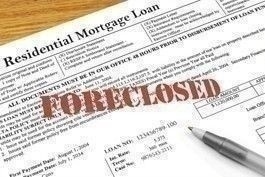
foreclosure_paperworkCoreLogic® recently released its National Foreclosure Report for February, which provides data on completed U.S. foreclosures and the overall foreclosure inventory. According to CoreLogic, there were 54,000 completed foreclosures in the U.S. in February 2013, down from 67,000 in February 2012, a year-over-year decrease of 19 percent. On a month-over-month basis, completed foreclosures fell from 58,000* in January 2013 to the February level of 54,000, a decrease of 7 percent.
As a basis of comparison, prior to the decline in the housing market in 2007, completed foreclosures averaged 21,000 per month nationwide between 2000 and 2006. Completed foreclosures are an indication of the total number of homes actually lost to foreclosure. Since the financial crisis began in September 2008, there have been approximately 4.2 million completed foreclosures across the country.
Approximately 1.2 million homes were in some stage of foreclosure in the U.S., known as the foreclosure inventory, as of February 2013 compared to 1.5 million in February 2012, a decrease of 21 percent. The foreclosure inventory as of February 2013 represented 2.8 percent of all homes with a mortgage compared to 3.5 percent in February 2012. This was the 16th consecutive month with a year-over-year decline. Month over month, the foreclosure inventory was down 1.8 percent from January 2013 to February 2013.
“February’s 54,000 completed foreclosures is the lowest level nationally since September 2007, with most major metropolitan areas experiencing improvements,” says Dr. Mark Fleming, chief economist for CoreLogic. “Even the major Florida markets are benefiting with the foreclosure inventories falling the fastest in major metropolitan areas, although from a very high level.”
“We continue to see a declining trend in foreclosure activity, with major markets leading the way,” says Anand Nallathambi, president and CEO of CoreLogic. “The drop in delinquencies and foreclosure starts will help support a resurgence in the home purchase market this year and next.”
Highlights as of February 2013:
• The five states with the highest number of completed foreclosures for the 12 months ending in February 2013 were: Florida (95,000),California (90,000), Michigan (73,000), Texas (57,000) and Georgia (49,000).These five states account for almost half of all completed foreclosures nationally.
• The five states with the lowest number of completed foreclosures for the 12 months ending in February 2013 were: District of Columbia (96), Hawaii (469), North Dakota (482), Maine (542) and West Virginia (588).
• The five states with the highest foreclosure inventory as a percentage of all mortgaged homes were: Florida (9.9 percent), New Jersey (7.2 percent), New York (5.0 percent), Nevada (4.6 percent) and Illinois (4.5 percent).
• The five states with the lowest foreclosure inventory as a percentage of all mortgaged homes were: Wyoming (0.5 percent), Alaska (0.6 percent), North Dakota (0.7 percent), Nebraska (0.8 percent) and Montana (0.9 percent).
For more information, visit www.corelogic.com.

Thursday, March 14, 2013

Real Estate: When She Speaks, We Should Listen

by The KCM Crew on March 2013

Zelman
Ivy Zelman is an industry expert consistently recognized by Institutional Investor, Greenwich Associates, StarMine and The Wall Street Journal as an industry-leading analyst. What separates her from many other analysts is the fact that she has accurately called the real estate market continuously over the last decade.

Her Position in 2006


She was one of the first to call the burst of the housing bubble. She was nicknamed ‘Poison Ivy’ for the harsh positions she took in combating the overly optimistic views of many in the industry at the time.

What happened next?

Existing home sales plummeted, new construction starts feel to historic lows and prices dropped by 50% in some areas of the country.

Her Position in 2012


Ivy Zelman, in a Wall Street Journal article in March Stunned Home Buyers Find the Bidding Wars Are Back, projected that the real estate market was about to rebound and that home prices would begin to appreciate. She emphatically claimed:
“We very much believe we’ve hit bottom.”
 
What happened next?

Pending sales (homes going into contract) surged in May and have remained above what is recognized as a healthy market level ever since. Starting in June, home prices began to appreciate on a year-over-year basis. This continued through the rest of the year with yearend appreciation coming in at 6.8%.

Her Position Today


What is Ms. Zelman saying today? In an interview on CNBC, she said:

“I think we are in Nirvana for housing…I’m probably the most bullish I’ve ever been fundamentally…I think home prices could go up for four to six years…Today, the urgency and sentiment toward buying residential real estate is back.”
 
What will the future bring?

If Ms. Zelman’s past predictions are evidence of her understanding of the housing industry, it seems that real estate is about to make a dramatic comeback.

If you are thinking of buying a home in Westport or surrounding areas please visit www.DistinctiveHomes-NE.com for a free list of homes for sale in Westport and Bristol County MA and RI.

If you are thinking of selling your home contact me for a FREE Current Market Analysis and to learn about our Market Plan to get your home SOLD!

We work with one going in mind, YOURS!


Noemi Cardoso
Local Office. Local Agents. Local Knowledge.

William Raveis Real Estate
911 Main Rd - Westport MA 02790
Cell: 508-558-1945

www.DistinctiveHomes-NE.com
noemi@DistinctiveHomes-NE.com

Wednesday, March 13, 2013

Housing is Back! But for How Long?

It's a fact: The housing sector continues to gain momentum. The National Association of Realtors reported in February that the national median existing single-family home price was $178,900 in the fourth quarter of 2012, up 10 percent from $162,600 in the fourth quarter of 2011.

Trending Into 2013

In December home prices rose again by 8.3 percent compared to a year earlier--the largest increase in more than six years, according to a CoreLogic report released early last month. It was also the tenth straight month of year-over-year increases. States seeing the biggest price increases were Arizona (up 20.2 percent), Nevada (up 15.3 percent) and Idaho at 14.6 percent. Only four states saw declines in home prices from last year: Pennsylvania, New Jersey, Illinois and Delaware.

While the U.S. housing market has certainly headed into 2013 with home prices on the rebound, many wonder how long this upward trend will last. A surge in home prices generally forecasts an increase in home buying. Home buying revives the housing industry, which is a key indicator for measuring the U.S. economy's progress and health.

Buyers Remain Selective to Price and Property

Home prices not only surged due to tightening supply but also as a result of a decline in available foreclosures and distressed properties. This means more home buyers are choosing relatively more expensive and non-distressed properties. As a result existing home prices have increased, and in some areas substantially, during this time. The decline in distressed property sales should also have resulted in newly constructed homes being more competitively priced.

Yet in many instances new home prices have increased in tandem with existing home prices. In some areas, this has caused buyers to experience low inventory and bidding wars for homes.

Interest Rates Still at Record-Lows

For 2013, the Federal Reserve has vowed to keep interest rates and home loan rates "exceptionally low" in an effort to spur economic growth and to shore up the housing markets. The Federal Reserve, or the Fed, is the central bank of the United States and regulates the U.S. monetary and financial system. It oversees four general areas:
1) Conducts monetary policy
2) Regulates banks and protects the credit rights of consumers
3) Maintains the stability of the financial system and
4) Provides financial services to the U.S. government.

The Bottom Line

As the economy strengthens from the housing comeback and other major reviving indicators such as manufacturing and trade, interest rates could rise. Great opportunities to purchase or refinance a home still exist, but fence-sitters should be advised as the path of least resistance for interest rates is higher, since they are currently at record lows.

If you have any questions about your personal situation, contact the professional who supplied you with this month's issue of YOU Magazine.

If you are thinking of buying a home in Westport or surrounding areas please visit www.DistinctiveHomes-NE.com for a free list of homes for sale in Westport and Bristol County MA and RI.

If you are thinking of selling your home contact me for a FREE Current Market Analysis and to learn about our Market Plan to get your home SOLD!

We work with one going in mind, YOURS!


Noemi Cardoso
Local Office. Local Agents. Local Knowledge.
William Raveis Real Estate
911 Main Rd - Westport MA 02790
Cell: 508-558-1945

www.DistinctiveHomes-NE.com
noemi@DistinctiveHomes-NE.com


Thursday, March 7, 2013

Housing market starts 2013 on a tear.


Home prices jumped 9.7% in January from a year before and are on track for similar increases for February, market watcher CoreLogic says.

The gain marks the biggest year-over-year increase in almost seven years and the 11th consecutive monthly increase.

MORE: 7 cities with the fastest-rising price gains

The increases, led by Western states, were broad. Only Delaware and Illinois experienced year-over-year price declines, down 0.1% and 0.4%, respectively, CoreLogic says.

Prices showed "strong growth during the typically slow winter season," says Mark Fleming, Corelogic economist. "With these gains, the housing market is poised to enter the spring selling season on sound footing."

The states with the fastest home price appreciation are largely those where the housing downturn hit the worst.

They are also markets where the supply of homes for sale has tightened rapidly in the past year given increased demand and fewer foreclosures.

In January, Arizona prices were up 20% year-over-year. Nevada posted a 17.4% gain. Idaho jumped almost 15% and California, 14.1%, CoreLogic says.

Overall, 22 states saw January prices up 6% or more from the year before.

They included the Western leaders but also states such as Michigan, West Virginia, Vermont, Virginia and South Carolina.

CoreLogic says prices will rise 9.7% on a year-over-year basis in February, too. They'll fall 0.3% in February from January reflecting a seasonal winter downturn, it says.

Numerous home price surveys are showing strong price gains. The Standard & Poor's Case-Shiller index showed prices up 7.3% last year, S&P said last week.

Given the increases of last year, 14 states and Washington D.C. are now within 10% of their previous peaks before the housing downturn, CoreLogic says.

South Dakota and Washington D.C. are basically on par with previous peaks, CoreLogic's data shows.

North Dakota, Nebraska, Oklahoma, Iowa, Arkansas and Alaska are within 4% of their previous peaks.

Kentucky, Kansas, New York, Vermont, Texas, Colorado and Louisiana are within 10% of their peaks.

In many of those states, home prices didn't fall as far during the downturn, or they have stronger economies -- many with big energy or agricultural sectors -- that have helped home prices.

Even with their leading price gains of late, Arizona prices are still 39% off their previous peaks, CoreLogic says. Nevada prices are down 52%. Florida prices are 43% off their peak but were up almost 10% in January year-over-year.

If you are thinking of buying a home in Westport or surrounding areas please visit www.DistinctiveHomes-NE.com for a free list of homes for sale in Westport and Bristol County MA and RI.

If you are thinking of selling your home contact me for a FREE Current Market Analysis and to learn about our Market Plan to get your home SOLD!

We work with one going in mind, YOURS!


Noemi Cardoso
Local Office. Local Agents. Local Knowledge.
William Raveis Real Estate
911 Main Rd - Westport MA 02790
Cell: 508-558-1945

www.DistinctiveHomes-NE.com
noemi@DistinctiveHomes-NE.com
 

Single Family Rentals: The New Favorite Option

Posted: 06 Mar 2013

Rental Study
 
Yesterday, we posted on the surge of new household formations that have occurred in the last twelve months and that are projected to reach boom numbers over the next twelve months. Will these new households be renting or buying? A recent study, The National Survey of Renters, from The Opinion Research Corporation reveals that many will be taking an option few had access to in the past – renting a single family home.

Are There Many Single Family Rentals Available?

The study reports that the number of single family house rentals has skyrocketed over the last several years:
“Single -family rental homes are the fastest growing housing option in America. Some 52 percent of all rental buildingss in the U.S. are single-family homes, housing 27 percent of all renters. Most, 3.6 million, were originally built for owner occupancy but passed into the ranks of rentals when their owners lost them through foreclosure.”
With approximately one million homes still in some form of foreclosure, these numbers will probably continue to increase.

How Do Single-Family Tenants Differ from Multi-Family Tenants?

There are distinct differences between the two different types of tenants. The report reveals:
  • Single-family renters make more money as apartment dwellers. Median income for a single-family renter is $75,000-$100,000 versus $50,000-$75000 for a multi-family tenant.
  • Single-family renters are nearly twice as likely to have children as apartment dwellers. 63 percent of single-family households include children; only 34 percent of apartment renters have children living with them.
  • Single-family households are larger; some 65 percent have three or more members compared to 32 percent of apartment households.
  • Most single-family tenants are older, aged 35-44 (53%) compared to 14-34 (46%) and 65+ (61%) for apartment dwellers.
  • Compared to apartment dwellers, single-family renters value neighborhood features important to children, such as parks and playgrounds (65% to 71%), good schools (72% to 82%) and safe neighborhoods (97% to 98%).

Do These Tenants Plan to Buy a Home in the Future?

The report explains that tenants living in a single-family house ‘enjoy’ their experience more than those in multi-unit buildings. However, most do have plans to purchase a home in the future.
  • 60 percent of single-family renters compared to 44 percent of apartment dwellers said they anticipate becoming homeowners in the next five years.
  • Families with three or more members (64%) and children under 13 (69%) were more likely to become homeowners.
  • The near term interest in becoming homeowners among single family tenants reflects the new roles single family rentals are fulfilling as a stepping stone to homeownership for first-time buyers and as a sanctuary for large numbers of families displaced by foreclosures but who plan to buy again when they can afford to do so.
It will be interesting to see how this new type of tenant adopts to renting a single-family residence.

If you are thinking of buying a home in Westport or surrounding areas please visit www.DistinctiveHomes-NE.com for a free list of homes for sale in Westport and Bristol County MA and RI.

If you are thinking of selling your home contact me for a FREE Current Market Analysis and to learn about our Market Plan to get your home SOLD!

We work with one going in mind, YOURS!


Noemi Cardoso
Local Office. Local Agents. Local Knowledge.
William Raveis Real Estate
911 Main Rd - Westport MA 02790
Cell: 508-558-1945

www.DistinctiveHomes-NE.com
noemi@DistinctiveHomes-NE.com

Tuesday, March 5, 2013

Are Young Adults Buying Homes Again?

Posted: 05 Mar 2013 - KCM Group

bigstockphoto_Business_Partners_-_Good_News__945511

Sales of residential properties are back to the highs experienced at the expiration of the Home Buyers Tax Credit in April 2010. One of the reasons for this surge in purchasing is that young adults may again be entering the market.

Over the last few years, many young adults stayed on the sidelines (some in their parents’ homes) while waiting for the overall economy and the housing market to stabilize. This group represents a pent-up purchasing demand which is now coming to market.

Last summer, the Joint Center for Housing Studies at Harvard University released a study which addressed this demographic:
“Surveys consistently find that the overwhelming majority of young adults plan to own a home in the future, but many would-be buyers have stayed on the sidelines waiting for the job outlook to improve and house prices to stop falling. But as markets tighten, these fence-sitters may begin to take advantage of today’s lower home prices and unusually low mortgage rates.”

This may be taking place already

It seems this is beginning to take place. The Census Bureau recently reported that annual household formations are almost back to boom time numbers:
  • Boom Years: 1,250,000 annual formations
  • 2008-2011: 650,000 annual formations
  • 2012: 1,150,000 annual formations
Freddie Mac is projecting 1,250,000 new household formations in 2013.
These new households will be divided between purchases and rentals. However, we must realize this group believes strongly in homeownership. Here are three examples:
  1. 43% of young adults between the ages of 18-34 years old already own a home.
  2. 72% of young adults between the ages of 18-34 years old see homeownership as part of their personal American Dream.
  3. 93% of young adults between the ages of 18-34 years old, who currently rent, plan to buy a home.
It will be interesting to follow this trend as prices rise and interest rates inch upward.

If you are thinking of buying a home in Westport or surrounding areas please visit www.DistinctiveHomes-NE.com for a free list of homes for sale in Westport and Bristol County MA and RI.

If you are thinking of selling your home contact me for a FREE Current Market Analysis and to learn about our Market Plan to get your home SOLD!

We work with one going in mind, YOURS!

Noemi Cardoso
Local Office. Local Agents. Local Knowledge.
William Raveis Real Estate
911 Main Rd - Westport MA 02790
Cell: 508-558-1945

www.DistinctiveHomes-NE.com
noemi@DistinctiveHomes-NE.com

Saturday, March 2, 2013

Fannie: Housing to See 'Sustained Growth'


The housing market is “on a sustained growth path,” according to the latest economic outlook by Fannie Mae’s Economic & Strategic Research Group.

"One of the key developments for the housing market last year was the general consensus that home prices, on a national basis, bottomed earlier in the year and continued to build momentum, exhibiting robust year-over-year gains unseen since the housing boom," according to the report.

Housing inventories are at the lowest since December 1994 and fewer distressed homes have helped to lift home prices, according to Fannie Mae economists.

Among some of Fannie Mae economists projections for this year:
  • Home prices: Fannie Mae economists predict that the median price of existing homes will increase 2.3 percent on an annual basis this year, reaching $181,000. The median price of a new home will likely increase 1.6 percent to $248,000. For 2014, economists predict that home prices will increase an extra 2.8 percent.
  • Home sales: Existing-home sales will likely rise 11.5 percent in 2013, and new-home sales will rise 12.5 percent, economists predict.
  • Mortgage rates: Rates will likely edge up slightly this year with 30-year fixed-rate mortgages projected to average 3.8 percent this year and rise to 4.4 percent in 2014.
Source: “Fannie Mae: Housing Is 'on a Sustained Growth Path',” Inman News (Feb. 21, 2013)
Read More Fannie: Housing Shows Signs of 'Durable, Long-Term Recovery'

If you are thinking of buying a home in Westport or surrounding areas please visit www.DistinctiveHomes-NE.com for a free list of homes for sale in Westport and Bristol County MA and RI.

If you are thinking of selling your home contact me for a FREE Current Market Analysis and to learn about our Market Plan to get your home SOLD!

We work with one going in mind, YOURS!

Noemi Cardoso
Local Office. Local Agents. Local Knowledge.
William Raveis Real Estate
911 Main Rd - Westport MA 02790
Cell: 508-558-1945

www.DistinctiveHomes-NE.com
noemi@DistinctiveHomes-NE.com

Friday, March 1, 2013

January Pending Home Sales Up in All Regions

WASHINGTON (February 27, 2013) - Pending home sales rose in January, and have been above year-ago levels for the past 21 months, according to the National Association of Realtors®. There were healthy monthly gains in all regions but the West, which is constrained by limited inventory but was slightly improved.

See the interview with NAR Chief Economist Lawrence Yun

The Pending Home Sales Index,* a forward-looking indicator based on contract signings, increased 4.5 percent to 105.9 in January from a downwardly revised 101.3 in December and is 9.5 percent above January 2012 when it was 96.7. The data reflect contracts but not closings.

The January index is the highest reading since April 2010 when it hit 110.9, just before the deadline for the home buyer tax credit. Aside from spikes induced by the tax credits, the last time there was a higher reading was in February 2007 when it reached 107.9.

Lawrence Yun, NAR chief economist, said inventory is the key to this year's housing market. "Favorable affordability conditions and job growth have unleashed a pent-up demand. Most areas are drawing down housing inventory, which has shifted the supply/demand balance to sellers in much of the country. It's also why we're experiencing the strongest price growth in more than seven years," he said.

"Over the near term, rising contract activity means higher home sales, but total sales for the year are expected to rise less than in 2012, while home prices are projected to rise more strongly because of inventory shortages," Yun said.

The PHSI in the Northeast rose 8.2 percent to 84.8 in January and is 10.5 percent higher than January 2012. In the Midwest the index increased 4.5 percent to 105.0 in January and is 17.7 percent above a year ago. Pending home sales in the South rose 5.9 percent to an index of 119.3 in January and are 11.3 percent higher January 2012. In the West the index edged up 0.1 percent in January to 102.1 but is 1.5 percent below a year ago.

Yun expects approximately 5.0 million existing-home sales this year. However, price growth could exceed a 7 percent gain projected for 2013 if inventory supplies remain low. Previously, NAR had expected 5.1 million existing-home sales in 2013, while prices were forecast to rise 5.5 to 6.0 percent.

The National Association of Realtors®, "The Voice for Real Estate," is America's largest trade association, representing 1 million members involved in all aspects of the residential and commercial real estate industries. For additional commentary and consumer information, visit www.houselogic.com and http://retradio.com.
 
# # #
 
* The Pending Home Sales Index is a leading indicator for the housing sector, based on pending sales of existing homes. A sale is listed as pending when the contract has been signed but the transaction has not closed, though the sale usually is finalized within one or two months of signing.

The index is based on a large national sample, typically representing about 20 percent of transactions for existing-home sales. In developing the model for the index, it was demonstrated that the level of monthly sales-contract activity parallels the level of closed existing-home sales in the following two months.

An index of 100 is equal to the average level of contract activity during 2001, which was the first year to be examined. By coincidence, the volume of existing-home sales in 2001 fell within the range of 5.0 to 5.5 million, which is considered normal for the current U.S. population.

Also released today are annual data revisions. Each February, NAR Research incorporates a review of seasonal activity factors and fine-tunes historic data for the past three years based on the most recent findings. There are no changes to unadjusted or annual data.

If you are thinking of buying a home in Westport or surrounding areas please visit www.DistinctiveHomes-NE.com for a free list of homes for sale in Westport and Bristol County MA and RI.

If you are thinking of selling your home contact me for a FREE Current Market Analysis and to learn about our Market Plan to get your home SOLD!

We work with one going in mind, YOURS!

Noemi Cardoso
Local Office. Local Agents. Local Knowledge.
William Raveis Real Estate
911 Main Rd - Westport MA 02790
Cell: 508-558-1945

www.DistinctiveHomes-NE.com
noemi@DistinctiveHomes-NE.com

Thursday, February 28, 2013

Are Lending Standards Loosening?

by The KCM Crew on February 27, 2013
bigstockphoto_Housing_Metaphor_607303

Celia Chen, an economist for Moody’s Analytics, recently reported on her projections regarding mortgage standards throughout 2013.
“The housing recovery began in earnest in 2012, despite constraints placed by a still-tight mortgage lending environment. This year promises improvements as the drivers of tough credit standards reverse. First, consumer credit quality is improving, which will help increase the number of creditworthy borrowers. Second, policymakers, regulators and courts are ironing out the legal and regulatory issues that cast a pall of uncertainty over the mortgage industry. Combined with mortgage interest rates that will remain low, mortgage credit will be more accessible to households this year, although still not back to normal. Nonetheless, a slight opening of the credit spigot is a positive for the housing outlook.”
She warns that normal credit standards will not return for some time as new QR and QRM rules are determined.
“On the supply side, easy credit is still a long way off as lenders loosen incrementally from very high standards: The share of loans originated for borrowers with the highest credit score has remained large, averaging 82% in the last two years, compared with 50% in 2005 and 2006. New rules issued by the Consumer Finance Protection Bureau in January keep mortgage standards high and credit tight, as lenders will be required to fully document every borrower’s income, employment and assets regardless of credit history. Other rules will effectively ban loans with interest only or negatively amortizing payments.”
However, she sees things improving as we move through the year because there is less risk for the banks now that house prices are again appreciating.
“Finally, rising house prices give lenders more breathing room to extend credit. Over the last 18 months, large lenders have loosened or left standards stable on prime loans that dominate mortgage originations, reports the Federal Reserve’s survey of senior lending officers.”

What Impact Will This Have on the Housing Market?

“Although mortgage supply will remain constrained, improved consumer credit quality combined with steady growth in jobs, low mortgage interest rates, and modestly rising house prices means that more households will be able to qualify for a mortgage. Greater credit availability will in turn help drive stronger home sales and stronger price appreciation and help keep the housing market and economy on an upward path.”
If you are thinking of buying a home in Westport or surrounding areas please visit www.DistinctiveHomes-NE.com for a free list of homes for sale in Westport and Bristol County MA and RI.

If you are thinking of selling your home contact me for a FREE Current Market Analysis and to learn about our Market Plan to get your home SOLD!

We work with one going in mind, YOURS!

Noemi Cardoso
Local Office. Local Agents. Local Knowledge.
William Raveis Real Estate
911 Main Rd - Westport MA 02790
Cell: 508-558-1945

www.DistinctiveHomes-NE.com
noemi@DistinctiveHomes-NE.com


Wednesday, February 27, 2013

Less Americans in ‘Underwater’ Situation


House-Wave1


With home values falling dramatically from 2006 boom prices, many homeowners have found themselves in what is called a ‘negative equity’ or ‘underwater’ situation. This means the value of their home is currently less than the mortgage amount on that home.

Many of these homeowners have been ‘locked’ into their houses because they were unable to sell it without bringing cash to the closing table. The good news is this situation is improving as prices begin to rise.

We are not saying that this challenge is over. We just have to look at what the experts are saying to realize we still have a long way to go.

Zillow Chief Economist Dr. Stan Humphries recently stated:
“Negative equity is still very high, and millions of homeowners have a very long way to go to get back above water, even with current robust levels of home value appreciation in most areas. As a result, negative equity will remain a major factor in the market for the foreseeable future.”
Anand Nallathambi, CEO of CoreLogic, in their latest Negative Equity Report:
“With nearly one quarter of borrowers still underwater we have a long way to go.”
However, the situation is improving. The recent Zillow Negative Equity Report revealed:
  • Negative equity continued to fall in the fourth quarter of 2012, dropping to 27.5 percent of all homeowners with a mortgage, compared with 31.1 percent one year ago.
  • Almost 2 million American homeowners were freed from negative equity over the course of the year.
  • Approximately 13.8 million homeowners with a mortgage were in negative equity, or “underwater,” at the end of the fourth quarter, owing more on their mortgages than their homes are worth. That was down from 15.7 million in the fourth quarter of 2011.
What does the future hold?

Anand Nallathambi, president and CEO of CoreLogic, sees the situation improving:
“As we look ahead into 2013, we expect to continue to see more borrowers’ escape the negative equity trap and that will be a strong positive for the housing market specifically and the broader economy generally.”
Zillow Chief Economist Dr. Stan Humphries agrees:
“As home values continue to rise and more homeowners are pulled out of negative equity in 2013, the positive effects on the housing market will be numerous. Freed from negative equity, homeowners will have more flexibility, and some will likely choose to list their home for sale, helping to ease inventory constraints and moderating sometimes dramatic, demand-driven price increases in some markets.”
Negative equity is still a challenge to a full housing recovery in this country. However, things will continue to improve as prices appreciate.

If you are thinking of buying a home in Westport or surroundign areas please visit www.DistinctiveHomes-NE.com for a free list of homes for sale in Westport and Bristol County MA and RI.

If you are thinking of selling your home contact me for a FREE Current Market Analysis and to learn about our Market Plan to get your home SOLD!

We work with one going in mind, YOURS!

Noemi Cardoso
Local Office. Local Agents. Local Knowledge.
William Raveis Real Estate
911 Main Rd - Westport MA 02790
Cell: 508-558-1945

www.DistinctiveHomes-NE.com
noemi@DistinctiveHomes-NE.com

Tuesday, February 26, 2013

Is There a Window of Opportunity for Sellers Right Now?

by The KCM Crew on February 25, 2013
 

One of the most interesting revelations of the latest National Association of Realtors (NAR) Existing Home Sales Report is the shortage of housing inventory being reported throughout much of the country. At the same time, buyer demand is dramatically up over last year. Here are some key points:

  • Total housing inventory at the end of January fell 4.9 percent to 1.74 million existing homes available for sale, which represents a 4.2-month supply at the current sales pace.
  • This represents the lowest housing supply since April 2005 when it was also 4.2 months.
  • Listed inventory is 25.3 percent below a year ago when there was a 6.2-month supply.
  • Raw unsold inventory is at the lowest level since December 1999 when there were 1.71 million homes on the market.

What Does This Mean if You Are Selling a Home?


The price of anything is determined by supply and demand. According to NAR’s report, inventory is at its lowest level since the real estate boom eight years ago. At the same time, demand is up. Lawrence Yun, NAR chief economist, reveals:

“Buyer traffic is continuing to pick up, while seller traffic is holding steady. In fact, buyer traffic is 40 percent above a year ago, so there is plenty of demand but insufficient inventory to improve sales more strongly. We’ve transitioned into a seller’s market in much of the country.”
 
Does that mean you should sell your house now? Or should you wait to see if prices increase? Nobody knows for sure. However, some feel that there may be a pent-up inventory about to come to the market because, as prices increase, it will free up some sellers who have been locked in a negative equity situation (where the house is worth less than the remaining mortgage).

The Zillow Negative Equity Forecast predicts:

“The negative equity rate among all homeowners with a mortgage will fall to at least 25.5 percent by the fourth quarter of 2013, freeing more than 999,000 additional homeowners nationwide.”
 
If these homes come to market, the supply/demand ratio will begin to balance out and lessen the opportunity a seller now has.

Calculated Risk, a well respected blog which analyzes the economy:

“With the low level of inventory, both in absolute numbers and as a month-of-supply, and the recent price increases in some areas, it would seem likely more inventory would come on the market.”
 
 Lawrence Yun agrees:
“We expect a seasonal rise of inventory this spring.”

Yet, Yun is quick to add:
“It may be insufficient to avoid more frequent incidences of multiple bidding and faster-than-normal price growth.”

Probably the most interesting comment on this comes from Calculated Risk:

“I need to think about this…This will be an interesting issue all year.”

This is an issue that is important to every seller. Make sure that you are working with a true professional that is dedicated to keeping current on what matters in the real estate market so he/she may provide you with the best advice possible as this situation becomes clearer.

If you are thinking of buying a home in Westport or surroundign areas please visit www.DistinctiveHomes-NE.com for a free list of homes for sale in Westport and Bristol County   MA and RI.

If you are thinking of selling your home contact me for a FREE Current Market Analysis and to learn about our Market Plan to get your home SOLD!

We work with one going in mind, YOURS!

Noemi Cardoso
Local Office. Local Agents. Local Knowledge.
William Raveis Real Estate
911 Main Rd - Westport MA 02790
Cell: 508-558-1945

www.DistinctiveHomes-NE.com
noemi@DistinctiveHomes-NE.com


Monday, January 21, 2013

There Are Still Some Bears Out There!

by The KCM Crew on January 21, 2013 ·
 
bull bear

Most real estate analysts are rather bullish on the housing market right now. Sales, pending contracts, prices and new construction starts are all up. The Home Price Expectation Survey released last month revealed a sense of optimism among the experts surveyed regarding home values over the next five years.

However, not everyone is buying into the belief that housing is in a full-out recovery. There are still a few bears who do not believe housing is out of the woods just yet. One such bear is Radar Logic. In their RPX Year in Review released last week, they shed new light on two data points which have recently shown improvement.

House Prices

“From November 2011 to November 2012, the RPX Composite price increased 9.2 percent year over year, but this increase reflects a significant shift in the composition of home sales and overstates the appreciation in individual properties.”

House Sales

“An increasing share of sales activity has been driven by institutional investors rather than households. While the 25-metro-area RPX transaction count increased 7.6 percent year over year, monthly investor purchases increased 75 percent year over year. The bulk of these purchases occurred in a handful of markets hit particularly hard by the housing bust: Miami, Phoenix, Los Angeles, Las Vegas and Atlanta.”
Radar Logic concludes:
“Some commentators suggest that investor-driven home price appreciation could spur demand among housing consumers, which will in turn bring about a broad-based and sustainable recovery in the nation’s housing markets… It is hard to see a direct connection between the current increase in institutional demand and future gains in household demand, especially at a time when traditional buyers are faced with high down payment requirements and tight standards for mortgages.”
It will be interesting to see whether the few bears are correct or if the bulls, who are definitely in the majority, are proven correct.

If you are thinking of buying a home in or around Bristol County MA or RI, please visit www.DistinctiveHomes-NE.com for a free list of homes for sale in Westport MA and surrounding towns.

Would you like to receive a current market update of your specific area? Contact me with your request.

If you are thinking of selling your home contact me for a FREE Current Market Analysis and to learn about our Market Plan to get your home SOLD!

We work with one going in mind, YOURS!


Noemi Cardoso
Local Office. Local Agents. Local Knowledge.
William Raveis Real Estate
911 Main Rd - Westport MA 02790
Cell: 508-558-1945
www.DistinctiveHomes-NE.com
noemi@DistinctiveHomes-NE.com

Thursday, July 26, 2012

Short Sale vs Foreclosure: The Banks

by The KCM Crew on July 26, 2012 ·

This week, we are looking at the advantages of a short sale over a foreclosure from five different perspectives: Sellers’, Neighborhoods’, Banks’, Prices and the Children. – The KCM Crew
The banks are beginning to favor offering a short sale to distressed homeowners rather than foreclosing for several reasons:
  • The short sale sells on average for $27,000 more than a foreclosed property.
  • The bank does not have to take on the expenses and maintenance of a vacant home in a short sale.
  • The banks realize a vacant house impacts the values of other homes in the area thus devaluing assets that they may also hold a mortgage on.
  • Some courts have questioned whether the foreclosure process was correctly followed on some homes. This could place a cloud on the title of such homes. In a short sale, there are no title challenges as the original seller signs away title at the closing.
It is for the above reasons that bankers are beginning to favor short sales over foreclosures.

Tomorrow, we will look at the impact of a short sale compared to a foreclosure on prices.

If you are seriously thinking of buying or selling, or just plain curious to see what’s happening in your area of interest, start your search at the best real estate website www.DistinctiveHomes-NE.com

Noemi Cardoso
RE/MAX Welcome Home
Serving Westport, Dartmouth, Fall River, MA
Little Compton, Tiverton, RI and surrounding towns.
www.DistinctiveHomes-NE.com