Showing posts with label housing. Show all posts

Tuesday, January 20, 2015

3 Questions to Ask Before Buying a Home


3 Questions to Ask Before Buying a Home | Keeping Current Matters
 

If you are thinking about purchasing a home right now, you are surely getting a lot of advice. Though your friends and family have your best interests at heart, they may not be fully aware of your needs and what is currently happening in real estate. Let’s look at whether or not now is actually a good time for you to buy a home.
 
There are three questions you should ask before purchasing in today’s market:
 
1. Why am I buying a home in the first place?
 
This truly is the most important question to answer. Forget the finances for a minute. Why did you even begin to consider purchasing a home? For most, the reason has nothing to do with finances. A study by the Joint Center for Housing Studies at Harvard University reveals that the four major reasons people buy a home have nothing to do with money:
  • A good place to raise children and for them to get a good education
  • A place where you and your family feel safe
  • More space for you and your family
  • Control of the space
 
What non-financial benefits will you and your family derive from owning a home? The answer to that question should be the biggest reason you decide to purchase or not.
 
2. Where are home values headed?
 
When looking at future housing values, Home Price Expectation Survey provides a fair assessment. Every quarter, Pulsenomics surveys a nationwide panel of over one hundred economists, real estate experts and investment & market strategists about where prices are headed over the next five years.
 
They then average the projections of all 100+ experts into a single number.
 
Here is what the experts projected in the latest survey:
  • Home values will appreciate by 4% in 2015.
  • The cumulative appreciation will be 23.5% by 2019.
  • Even the experts making up the most bearish quartile of the survey still are projecting a cumulative appreciation of over 15.1% by 2019.
 
3. Where are mortgage interest rates headed?
 
A buyer must be concerned about more than just prices. The ‘long term cost’ of a home can be dramatically impacted by an increase in mortgage rates.
 
The Mortgage Bankers Association (MBA), the National Association of RealtorsFannie Mae and Freddie Mac have all projected that mortgage interest rates will increase by approximately one full percentage over the next twelve months.
 

Bottom Line

 
Only you and your family can know for certain the right time to purchase a home. Answering these questions will help you make that decision.

Wednesday, May 14, 2014

5 Reasons to Hire a Real Estate Professional


Whether you are buying or selling a home, you need an experienced Real Estate Professional to lead you toward your ultimate goal. In this world of instant gratification and Internet searches, many sellers think that they can For Sale by Owner or FSBO.

The 5 Reasons You NEED a Real Estate Professional in your corner haven’t changed, but rather have been strengthened in recent months due to rising interest rates & home prices as the market recovers.

1. What do you do with all this paperwork?


Each state has different regulations regarding the contracts required for a successful sale, and these regulations are constantly changing. A true Real Estate Professional is an expert in their market and can guide you through the stacks of paperwork necessary to make your dream a reality.

2. Ok, so you found your dream house, now what?


According to the Orlando Regional REALTOR Association, there are over 230 possible actions that need to take place during every successful real estate transaction. Don’t you want someone who has been there before, who knows what these actions are to make sure that you acquire your dream?

3. Are you a good negotiator?


So maybe you’re not convinced that you need an agent to sell your home. However, after looking at the list of parties that you need to be prepared to negotiate with, you’ll realize the value in selecting a Real Estate Professional. From the buyer (who wants the best deal possible), to the home inspection companies, to the appraiser, there are at least 11 different people that you will have to be knowledgeable with and answer to, during the process.

4. What is the home you’re buying/selling really worth?


Not only is it important for your home to be priced correctly from the start, to attract the right buyers and shorten the time that it’s on the market, but you also need someone who is not emotionally connected to your home, to give you the truth as to your home’s value.

According to the National Association of REALTORS, “the typical FSBO home sold for $184,000 compared to $230,000 among agent-assisted home sales.”

Get the most out of your transaction by hiring a professional.

5. Do you know what’s really going on in the market?


There is so much information out there on the news and the Internet about home sales, prices, mortgage rates; how do you know what’s going on specifically in your area? Who do you turn to, to tell you how to competitively price your home correctly at the beginning of the selling process? How do you know what to offer on your dream home without paying too much, or offending the seller with a low-ball offer?

“When getting help with money, whether it’s insurance, real estate or investments, you should always look for someone with the heart of a teacher, not the heart of a salesman.” – Dave Ramsey

Hiring an agent who has their finger on the pulse of the market will make your buying/selling experience an educated one. You need someone who is going to tell you the truth, not just what they think you want to hear.

Bottom Line:


You wouldn’t hike up Kilimanjaro without a Sherpa, or replace the engine in your car without a trusted mechanic, why would you make one of your most important financial decisions of your life without hiring a Real Estate Professional?

If you are ready to buy contact us. Learn about our past clients experiences and see why we have sold over 150 houses in 9 years in real estate.

Noemi Cardoso
William Raveis Real Estate
Serving MA & RI
2014 Fiver Star Real Estate Agent
Fluent in Portuguese and English
Cell: 508-558-1945
www.DistinctiveHomes-NE.com

Thursday, May 8, 2014

A Great Reason to Sell Now


The price of any item (including residential real estate) is determined by ‘supply and demand’. If many people are looking to buy an item and the supply of that item is limited, the price of that item increases.

According to the National Association of Realtors (NAR), the supply of homes for sale is still below the normal 6 month level of inventory. That means less competition.


However, a recent study revealed that 71% of current homeowners are considering selling their home this year. Putting your home on the market now instead of waiting for this increased competition to come to the market might make a lot of sense.

Buyers currently in the market are motivated purchasers. They want to buy now. With limited inventory available in most markets, a seller will be in a great position to negotiate their best possible price.

If you are ready to sell and want the best marketing plan and ideas around, give us a call and let's get your house ready to SELL.

Noemi Cardoso
Local Office. Local Agents. Local Knowledge.
William Raveis Real Estate
www.DistinctiveHomes-NE.com
Cell: 508-558-1945

Monday, April 28, 2014

Gallup Poll: Real Estate Best Long Term Investment


Solid Investments 

By the KCM Group - Posted: 28 Apr 2014

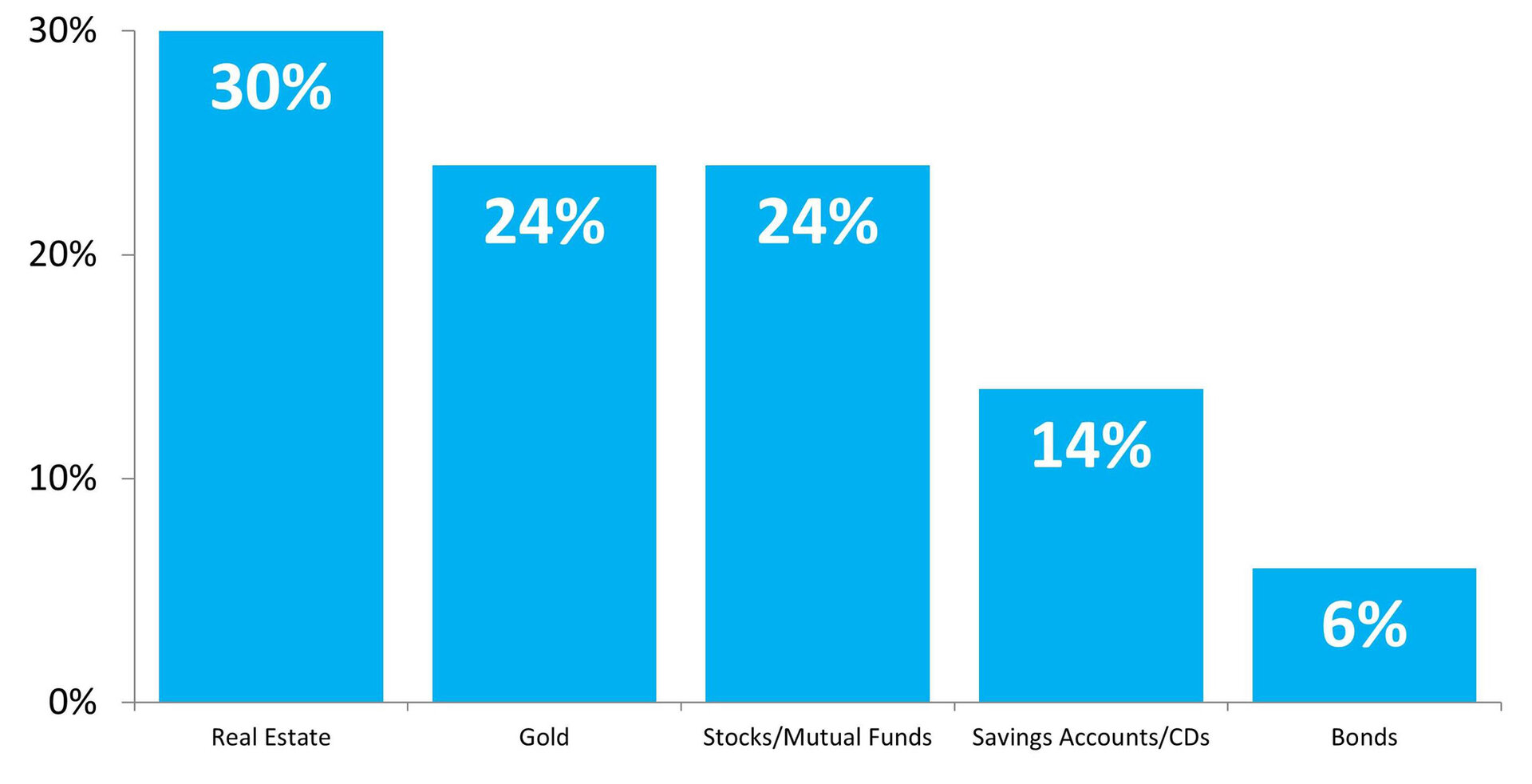
The Gallup organization just released their April Economy and Personal Finances Poll which asked Americans to choose the best option for long term investment. It was no surprise to us that real estate returned to the top position over other investment categories (gold, stocks/mutual funds, savings accounts/CDs and bonds).

Back in 2011, gold was the most popular long-term investment among Americans. However, with the housing market improving across the U.S. and home prices rising, more Americans now consider real estate the best option for long-term investments.
4.28 Visual 1000
The poll also revealed that real estate was considered to be the best long term investment by all four subgroups by age and two out of three by income:
Visual3
________________________________________________________________

If you are ready to make a move and plunge into the real estate market, give me a call and let's start searching for you new home.

Noemi Cardoso
William Raveis Real Estate
Cell: 508-558-1945
www.DistinctiveHomes-NE.com
 

Thursday, April 24, 2014

12,575 Houses Sold Yesterday!


houses-with-cart1 


If you read certain headlines, you might be led to believe that the housing recovery has come to a screeching halt. Naysayers are claiming that rising mortgage rates and a lack of consumer confidence are keeping Americans on the fence when it comes to purchasing real estate. That is actually far from reality.


After all 12,575 houses sold yesterday, 12,575 will sell today and 12,575 will sell tomorrow. 12,575!

That is the average number of homes that sell each and every day in this country according to the National Association of Realtors’ (NAR) latest Existing Home Sales Report. According to the report, annualized sales now stand at 4.59 million. Divide that number by 365 (days in a year) and we can see that, on average, over 12,500 homes sell every day.

If you are considering whether or not to put your house up for sale, don't let the headlines scare you. There are purchasers in the market and they are buying - to the tune of 12,575 homes a day.

So, if you are ready to sell give me a call and let's get started.

Noemi Cardoso
William Raveis Real Estate
Cell: 508-558-1945
www.DistinctiveHomes-NE.com

Thursday, April 17, 2014

Real Estate: This Spring Will Be Different.

The KCM Crew. - Posted: 17 Apr 2014.

Just like May flowers, every spring the housing market blossoms as buyers come out ready to purchase their dream house. This spring, we believe we are going to see the strongest purchasing market we have seen in a decade.

Why are we so bullish on the housing market this spring?

Here are a few reasons:

MILLENNIALS


Contrary to many reports, this age demographic is READY, WILLING and ABLE to become homeowners. As a matter of fact, the latest National Association of Realtors’ gender study revealed that the Millennial generation has recently accounted for a greater percentage of all buyers than any other generation.

BABY BOOMERS


As prices have risen, so has the equity in many homes across American. Homeowners, having been shackled to their house because of low or negative equity for the last several years, are again free to make a move without worrying about bringing cash to a closing table in order to sell. We believe this new-found freedom will release a pent-up demand of sellers who want to move-up to the home they’ve always dreamed of or want to downsize their primary residence and also purchase a second home they can use for vacation, retirement or both.

BOTH PRICES and MORTGAGE RATES are on the RISE


As the economy improves, more and more Americans are regaining faith that their own personal finances are headed in a positive direction. With this new confidence, they want to take advantage of the opportunity that presents itself with real estate still undervalued in most parts of the country and mortgage rates being well below historic numbers.

Friday, April 11, 2014

Homeownership’s Impact on Net Worth


Over the last six years, homeownership has lost some of its allure as a financial investment. As homeowners suffered through the housing bust, more and more began to question whether owning a home was truly a good way to build wealth. A study by the Federal Reserve formally answered this question.

Some of the findings revealed in their report:


  • The average American family has a net worth of $77,300
  • Of that net worth, 61.4% ($47,500) of it is in home equity
  • A homeowner’s net worth is over thirty times greater than that of a renter
  • The average homeowner has a net worth of $174,500 while the average net worth of a renter is $5,100

Bottom Line


The Fed study found that homeownership is still a great way for a family to build wealth in America.

Tuesday, April 8, 2014

3 Reasons to Sell Your Home This Spring


4.8 Visual
Many sellers are still hesitant about putting their house up for sale. Where are prices headed? Where are interest rates headed? These are all valid questions. However, there are several reasons to sell your home sooner rather than later. Here are three of those reasons.

1. Demand is about to skyrocket


Most people realize that the housing market is hottest from April through June. The most serious buyers are well aware of this and, for that reason, come out in early spring in order to beat the heavy competition. We also have a pent-up demand as many buyers pushed off their home search this winter because of extreme weather. Sellers in markets where seasonal weather is never an issue must realize that buyers relocating to their region will increase dramatically this spring as these purchasers finally decide to escape the freezing temperatures of the winters in the north.

These buyers are ready, willing and able to buy…and are in the market right now!

2. There Is Less Competition - For Now


Housing supply always grows from the spring through the early summer. Also, there has been a growing desire for many homeowners to move as they were unable to sell over the last few years because of a negative equity situation. Homeowners have seen a return to positive equity as prices increased over the last eighteen months. Many of these homes will be coming to the market in the near future.

The choices buyers have will continue to increase over the next few months. Don’t wait until all the other potential sellers in your market put their homes up for sale.

3. There Will Never Be a Better Time to Move-Up


If you are moving up to a larger, more expensive home, consider doing it now. Prices are projected to appreciate by approximately 4% this year and 8% by the end of 2015. If you are moving to a higher priced home, it will wind-up costing you more in raw dollars (both in down payment and mortgage payment) if you wait. You can also lock-in your 30 year housing expense with an interest rate at about 4.5% right now. Freddie Mac projects rates to be 5.1% by this time next year and 5.7% by the fourth quarter of 2015.

Moving up to a new home will be less expensive this spring than later this year or next year.

Wednesday, April 2, 2014

Hispanic Millennials & Housing


Nielsen recently released their report “Millennials – Breaking the Myths” and today I want to focus on the information reported about Hispanic Millennials.

Of the 77 million Millennials, 19% are Hispanic. This group (age 18-36) is the most racially and ethnically diverse than any previous generation. According to this report, Nielsen expects the Hispanic population to grow by 167% by 2050.
Millennials are 14% first generation, and 12% second generation Americans, keeping strong ties to their home country, culture and language. For example:

1. 63% of the Millennials feel it is their responsibility to care for an elderly parent, according to Nielsen: “this is partially tied to the ethnic diversity of the generation. Typically ‘Hispanic and Asian Americans’ have cultural expectations that elderly family members will be cared for by the younger generations.”

This can help you to understand why when a Hispanic Millennial is looking for a home, they are requesting that extra bedroom.

2. 65% of Hispanic Millennials are U.S. Born and are more bilingual than other generations
  • In 2003, 34% were Spanish dominant, 44% English dominant, 22% bilingual
  • In 2013, 31% were Spanish dominant, 31% English dominant, 38% bilingual

"Today, the bilingual Hispanic is the dominant group within these Millennials.” According to this report, this is telling us that “Hispanics are choosing to speak more Spanish and maintain cultural ties.”

Where are they looking for homes?


This report revealed “62% of the Millennials prefer to live in the type of mixed-use communities found in urban centers where they live in close proximity to a mix of shopping, restaurants and offices. This is the first time since the 1920s where the growth in U.S. cities outpaces growth outside of the cities. And, 40 percent say they would like to live in an urban area in the future.

The “American Dream” is transitioning from the white picket fence in the suburbs to the historic brownstone stoop in the heart of the city” and the markets with a major concentration of Millennials reflect this desire:

Top 10 markets for Millennials (by %):

  • Austin, TX (16%)
  • Salt Lake City, UT (15%)
  • San Diego, CA (15%)
  • Los Angeles, CA (14%)
  • Denver, CO (14%)
  • Washington, DC (14%)
  • Houston, TX (14%)
  • Las Vegas, NV (14%)
  • San Francisco, CA (14%)
  • Dallas-Ft. Worth, TX (14%)
 

Tuesday, April 1, 2014

Millennials: Optimistic & Ready to Buy

YoungFamilyHouse


We believe that 2014 will be the year that Millennials re-enter the housing market in a big way. Because of that, we will be dedicating our blog posts each day this week to a better understanding of this generation. - The KCM Crew

A recent survey by the PulteGroup revealed that the Millennial generation has a more optimistic outlook regarding the American economy than other generations. According to the survey, 54% of Millennials believe the economy is in better shape today than it was last year compared to only 41% of the total population.

It seems this optimism is impacting purchasing decisions as 74% of Millennials view now as an excellent or good time to buy the things they want or need. Jim Zeumer, vice president of corporate communications for the PulteGroup explained:

"No other cohort of adults is nearly as confident about their economic future as the millennials are right now. This is definitely a change, as millennials have regularly been viewed as the disenfranchised generation vastly affected by the fallout of the recession. But now, with an increased sense of optimism, this generation is starting to feel as though they have the resources available to lead the lives they want or expect to in the future."

WHAT ABOUT HOUSING?


Specific to real estate, the survey indicated:

  • 85% of Millennials plan to purchase a home in the future
  • 49% plan to purchase a home in the next two years
  • Of those planning to purchase in the near-term, 56 percent are current homeowners and 41 percent are renters
  • 65% prefer spending more money on a home that is move-in ready compared to doing renovations
  • 58% increased their interest in purchasing a home in the past year as the positive attributes of homeownership resonate with this generation.
If you, or anyone you know is thinking about buying or selling a home, feel free to contact me and find out why our services are above and beyond the competition.

Noemi Cardoso
William Raveis Real Estate
www.DistinctiveHomes-NE.com

Wednesday, February 19, 2014

Home Sales Up in 3 of 4 Regions

Some industry gurus are questioning whether the housing momentum we saw early in 2013 began to dissipate later in the year. The more dramatic have claimed the housing sector is still on shaky ground. Others have blamed the slowdown in sales on a lack of consumer confidence or rising interest rates.

The National Association of Realtors (NAR) just released their 2013 4th Quarter Housing Report. The report revealed that home sales numbers barely outperformed (an .08% increase) those in the 4th quarter of 2012.

We believe the leveling in home sales is directly attributable to a lack of salable listing inventory; specifically in the West.

Three of the four regions in the NAR report had an increase in sales: Northeast (+7.1%), Midwest (+2%) and South Regions (+3.6%). A big fall-off in sales occurred in the Western Region. The dramatic fall-off in the West (-8.1%) can be directly linked to a shortage of inventory in their hottest markets.

If the decrease in sales was caused by an eroding of consumer confidence and/or rising interest rates, we believe each region would have seen similar decreases.


Spring is just around the corner and this is the best time of the year to sell a home. If you are ready to sell your home and  are looking for an agent that work with your goal in mind give me a call and let's start working and get your home sold.

Noemi Cardoso
William Raveis Real Estate
Cell: 508-558-1945
www.DistinctiveHomes-NE.com

Thursday, January 30, 2014

10 Things That Make a Home a Good Home

Buyers spend a lot of time looking at properties online, touring homes on the Sunday open house circuit, and talking to their real estate agent. They’re laser-focused on finding the best home that meets their needs. The problem is, buyers sometimes don’t take the long view of a property. They’re only looking at a home as a potential buyer — and not as someone who, years down the road, may also have to sell the property. Given that homes are such a big investment, there should be a little inside your head, picking away at your options and decisions.

As the home buying market starts to heat up again, here are ten things you should consider when choosing your next home.

1. Location, location, location


Perhaps nothing is more important than the three L’s, and there’s a reason why it’s said three times.

Location is extremely important when it comes time to sell. You can have the worst house in the world with the ugliest kitchen and bath. But put it on a great block or in a good school district, and your home will be coveted.

Location location location matters on so many different levels. At the highest level is the town where the house is located, then the school district, then the neighborhood and the block — right down to the location of the lot on the block. Keep all of this in mind when shopping. Also remember that while real estate markets rise and fall, no one can take a great location away from you.

2. The school district


The school district is right up there on the list of what’s most important to many buyers. It’s not uncommon for buyers to start their search based solely on the school district they want to be in. Parents want their kids to go to the best school, which can drive up prices of homes in those districts. Even though you might not have children, buying a home in a good school district is always smart. If the schools are desirable, homes tend to hold their value. As a homeowner, you should always be aware of how the schools are doing, not unlike being aware of your roof’s condition, the neighborhood development or city government.

3. The home’s position on the lot


Where the home sits on the lot in relation to the street or the overgrown oak are key elements in picking out a home. In the case of a condo, an end unit vs. an interior unit is a key consideration. You may have chosen the most beautifully renovated home in the best school district and figure all is good. But if the main living areas are shaded by a neighbor’s extension or the master bedroom looks into the neighbors’ family room, you may have a location problem. Light or privacy may not be a hot button for you, but chances are, they might be concerns for a future buyer.

4. Crime


It’s a good idea to check the latest crime figures for a neighborhood. It can give you a good snapshot about the number and severity of crimes over a time period. So much information is online nowadays that when you find your perfect home, a quick Internet search on the area should provide you with the much-needed information.

Most municipalities post their police blotters or crime statistics online these days.  Don’t freak out if you notice more crime than what you’d have expected. Crime, especially petty crime, is everywhere. If you’re new to the area, consult with your real estate agent if you have concerns.

5. Walkability


More than ever, ‘walkability’ is becoming a key factor in the search process.  There are entire websites, apps and algorithms that help people figure out how walkable their future home is. As a matter of fact, Zillow even has a Walk Score for most homes.  As people get out of their cars and slip into their Keds, they want a home in a walkable neighborhood. People put high value on the ability to walk to a store, school, work or public transportation.  The more we move away from cars and the more we see invested in public transportation over the coming decades, the more of a huge value-add walkability will become.

6. The neighborhood’s character


You may have found the absolute most perfect home, on the best block, in the best school district and on a great lot. But there could be circumstances outside your control that may give you pause — specifically, the character of the surrounding neighborhood.

Check out the area late at night, early morning and in the middle of the day. See if there are any odd weather or traffic patterns and try to observe some of the neighbors. You may even go so far as talking to some neighbors. It’s important to walk around, open your eyes and ears and make sure there isn’t anything you’re overlooking. That next-door neighbor practicing drums in the garage at 9 p.m. could be a source of immediate neighbor conflict. Go into it with eyes wide open.

7. Don’t buy the best house on the block


Simply put, avoid buying the best house on the block because there may not be any room for your investment to grow (unless you physically have the house moved to a better neighborhood). It’s better to buy the worst house on the best block, because you can improve the house to add value to an already great location.

8. Is it a fixer-upper?


If you’re buying a fixer-upper, make sure you understand what you’re getting into.  Did you set out to buy a home that needed work? Or does the home just happen to be in the most desirable neighborhood, the block of your dreams?

Do your homework upfront. If you want to build an extension or add another story to the property, make sure it is within local zoning or building codes. Have the property inspected so that you know exactly what you’re getting yourself into. Sometimes, what appears to be a simple kitchen needing cosmetic work turns out to be a huge project. Ask yourself repeatedly if your life can support a home renovation. Not only does a renovation take money, it takes time, energy and emotional stress.

9. Will the home hold its value?


A good real estate agent who’s been working the neighborhood for some time can vouch for the long-term value or investment potential of the property. But be sure to find ways to add value, or at least be certain the home will hold its value.

The market may be strong when you purchase, but ask yourself, “Am I in a seller’s market?” “What would happen to this property if the market changed tomorrow”? Check out the median home value in the neighborhood as it compares to neighborhoods around it. The Zillow Home Value Index gives you one, five, and 10-year snapshots of how home values have gone up or down in neighborhoods and cities.

10. Taxes, dues and fees


Many people overlook the monthly fees associated with homeownership. Nearly every property will have taxes, and any sort of planned community or homeowners association (HOA) will have regular assessments.

Be sure that the amount of property tax and assessments are clear from the get-go. If in doubt, go to city hall or do research online. If you’d be buying into a condo complex, be sure to get your hands on the meeting minutes, financials of the HOA and the condo documents. Any mention of changes coming down the pike?

Does the HOA seem well funded? It could take one quick $10K assessment to immediately affect property values if you need to turn around and sell your new home. And any uncertainty about the building, its integrity or the financials could scare off buyers when it’s time to sell.

Author:

Thursday, January 9, 2014

Predictions for 2014: Interest Rates Will Increase Significantly


1.8 Interest Rate Projections


Most experts are calling for an increase in mortgage interest rates in 2014. However, we believe the increase will be more dramatic than is being projected. We believe rates will be closer to 6% than 5% by year’s end.

The Fed announced last month that they would be pulling back some of their stimulus package which has helped the housing market by keeping long term mortgage rates at historic lows for the last few years. This should come as no surprise as the KCM Blog has been warning of this likelihood over the last several months.

Above are the most recent projections of where rates will be at the end of 2014 by the four major agencies. However, we believe that the government is not afraid to shoot right past these levels.

Doug Duncan, chief economist for Fannie Mae, this past summer announced:

“I don’t think the Fed ultimately would be troubled with a 6.5% mortgage rate.”

And Frank Nothaft, Freddie Mac VP and chief economist, at virtually the same time explained:

"As the economy continues to improve, we expect to see continued upward movement in long-term interest rates… At today’s house prices and income levels, mortgage rates would have to be nearly 7 percent before the U.S. median priced home would be unaffordable to a family making the median income in most parts of the country.”

Only time will tell. However, we feel that rates will be in the 5.75-6% range by year’s end.

Thursday, December 26, 2013

Tapering Begins!


The Fed announced they would be pulling back some of their stimulus package which has helped the housing market by keeping long term mortgage rates at historic lows for the last few years. This should come as no surprise as the KCM Blog has been warning of this likelihood over the last several months.

We even went against the belief of the vast majority of economists who thought the Fed would wait until next year. In this month’s edition of KCM, we quoted Bill McBride of Calculated Risk:

“Although the consensus is the Fed will wait until 2014 to start to taper asset purchases, December is still possible.”

We also gave our members the following grouping of slides to help them explain the ramifications of the Fed’s decision during meetings with buyers and sellers.

Tapering


What it Means to the Consumer


In an article in MarketWatch today, Lawrence Yun, the Chief Economist at NAR, explained that sellers looking to move-up (to a better school district or larger home) “need to realize that it could be more challenging a year from now.” Yun stated the average 30-year mortgage rate currently hovers at 4.3%, but that could rise to 5% or 5.5% next year.

What it Does NOT Mean to the Housing Market


Some reports will now claim that housing prices will have to drop as interest rates begin to rise. There is no historical evidence of this. Below is a chart showing the last four instances of mortgage rates rising dramatically and what happened to home values at the time.

12-23 Rates and Prices

Bottom Line


If a client is either a first time buyer or a move-up buyer, they should make the move earlier in 2014 instead of later as mortgage rates will probably increase as the year goes on.

Many people ask me when it is the right time to buy or sell. Well, the market is always moving and the right time depends on your personal circumstances. If you are  ready to move forward to that dream home, or downsize, or get a bigger house because the family is growing, or stop paying rent, or jumping into a new job to start with the new year...whatever your reason is, that is the right time for you.

If your time is right feel free to contact me so we can start a marketing campaign to get your home sold or start looking for that place you can call home.

Monday, December 9, 2013

Buying a Home? Don't Let Fear Get in Your Way

financial burden


Our founder, Steve Harney, occasionally asks to do a personal post on what he sees as important to our industry. Today we are reposting one of his favorites from this past summer. Enjoy! – The KCM Crew

Last week, I was talking to a young couple I know that was about to close on their first home. They were riding the wild rollercoaster of current mortgage rate swings and were not happy about the mortgage process overall. Yet, when the conversation shifted to finally living in a home that they own, their disposition changed dramatically.

A smile came across their faces as they talked about decorating their son’s bedroom and how much he will enjoy the backyard. They talked about inviting friends over for dinner and their family over for the holidays. The more they talked, the more excited they became.

I asked them if many of their friends were also buying. I was shocked to find out that they weren’t. Why not? Their friends believed that homeownership was financially unobtainable right now. Many wanted to own but didn’t think they could afford the monthly mortgage payment. They decided to rent instead.

I said that, with interest rates and prices where they are today, owning a home might not be any more expensive than renting one. The couple agreed but said their friends were afraid; afraid they might not qualify for a loan, afraid to handle negotiations with a seller, afraid of the home buying process itself.

Wow!

People should not make decisions out of fear! I’m not saying that every young person should own a home. I am saying that anyone that is qualified and wants to buy should not be afraid of the process. I realize the process may seem daunting but realize over 10,000 homes sell every day in this country. Sit down and discuss your goals with professionals from both the real estate and mortgage industries. Get the facts. Make an informed decision. Don’t let the fear of the unknown prevent you from living the life of your dreams.

Wednesday, November 27, 2013

Flood Insurance Rates about to Skyrocket?


Approximately 5.6 million property owners in over 20,000 communities across the country rely on the National Flood Insurance Program (NFIP) for flood insurance. A new law, the Biggert-Waters Flood Insurance Reform Act of 2012, will force major changes in the NFIP. Despite efforts by some on Capitol Hill to delay the act, it looks set to take effect. According to an article in Insurance Journal last week, FEMA Administrator Craig Fugate said:

“There are challenges to implementing the law when premiums may exceed $10,000 in more high-risk areas where homes are not easily elevated or bought out.”

How many will be affected?


The Insurance Journal article also explained:

“Last year’s legislation promises premium increases to 1.1 million homeowners who’ve received subsidized, below-risk coverage and could sock even more homeowners whose homes met older building standards or were deemed at lower risk under previous flood maps. Under the old rules, they could retain their old rates since they followed the rules when they bought or built their homes, but they will soon lose those grandfathered rates under the new law.”
 

Could it impact home sales in the regions impacted?


Again, we refer to the Insurance Journal article:

“The changes also promise to make it unaffordable for people in chronic flood zones to keep their homes, and they have put a damper on home sales in areas where benefits extended to current homeowners can’t be passed along to prospective buyers.”

What can be done to delay the changes?


Write your Member of Congress and Senators. Congress has legislation in the House, H.R. 3370 and Senate, S. 1610, to delay changes to the NFIP.

According to the National Association of Realtors, these bills would:

  • prudently defer rate increases until FEMA completes the affordability study mandated by law
  • create a system for targeted rate relief
  • establish an office of the Advocate for flood insurance rate and mapping concerns.

Tuesday, November 26, 2013

When Will Mortgage Rates Hit 5%?


The big question for homebuyers is when interest rates will begin to rise to the 5% mark. The effect of a rise in mortgage rates could be a dramatic increase in the monthly mortgage payment when purchasing a home. In an article last week, HousingWire quoted two different sources regarding this issue.

Most experts are projecting that rates will rise when the Fed decides to taper the purchase of bonds which has acted as a stimulus to the housing market by keeping long term mortgage rates at historic lows.
In the article, Sterne Agee’s managing director and chief economist Lindsey Piegza pointed out:

"Federal Reserve officials said they might reduce their monthly bond buying program from $85 billion 'in coming months' as the economy continues to improve."

The article also quotes Frank Nothaft, chief economist with Freddie Mac:

“By the end of 2014, rates will probably approach and perhaps touch 5%. A reason we see the uptick in rates is that I do think some point the Federal Reserve will start to taper and scale back its very active purchase on long-term Treasuries and mortgage-backed securities.”

Rates will hit 5% sometime in 2014. It might be better to buy sooner rather than later.

If you are ready to make a move before you only think about the good old days call me and let's start looking for you dream home.

Noemi Cardoso
William Raveis Real Estate
Cell: 508-558-1945
www.DistinctiveHomes-NE.com

Monday, November 25, 2013

5 Reasons to Buy A Home Now Instead of Spring


Based on prices, mortgage rates and soaring rents, there may have never been a better time in real estate history to purchase a home than right now. Here are five major reasons purchasers should consider buying:

Supply Is Shrinking

With inventory declining in many regions, finding a home of your dreams may become more difficult going forward. There are buyers in more and more markets surprised that there is no longer a large assortment of houses to choose from. The best homes in the best locations sell first. Don’t miss the opportunity to get that ‘once-in-a-lifetime’ buy.

Price Increases Are on the Horizon

Prices are projected to appreciate by over 25% from now to 2018. First home buyers will probably pay more both in price and interest rate if they wait until the spring. Even if you are a move-up buyer, it will wind-up costing you more in net dollars as the home you will buy will appreciate at approximately the same rate as the house you are in now.

Owning a Home Helps Create Family Wealth

Whether you are rent or you own the home you are leaving in, you are paying a mortgage. Either you are paying your mortgage or your landlord’s. The Fed, in a recent study, revealed that the net worth of the average homeowner is 30 times greater than that of a renter.

Interest Rates Are Projected to Rise

The Mortgage Bankers Association, the National Association of Realtors, Freddie Mac and Fannie Mae have all projected that the 30-year mortgage interest rate will be over 5% by the end of 2014. That is an increase of almost one full point over current rates.

Buy Low, Sell High

We would all agree that, when investing, we want to buy at the lowest price possible and hope to sell at the highest price. Housing can create family wealth as long as we follow this simple principle. Today, real estate is selling ‘low’ compared to where it will be next year. It’s time to buy.

Noemi Cardoso
William Raveis Real Estate
508-55-1945
www.DistinctiveHomes-NE.com

Saturday, November 23, 2013

5 Reasons to Sell Before Spring


Vermont-Autumn
Many sellers feel that the spring is the best time to place their home on the market as buyer demand increases at that time of year. However, the fall and winter have their own advantages. Here are five reasons to sell now.

Only Serious Buyers Are Out


At this time of year, only those purchasers who are serious about buying a home will be in the marketplace. You and your family will not be bothered and inconvenienced by mere 'lookers'. The lookers are at the mall or online doing their holiday shopping.

There Is Far Less Competition


Housing supply always shrinks dramatically at this time of year. The choices for buyers will be limited. Don't wait until the spring when all the other potential sellers in your market will put their homes up for sale.

The Process Will Be Quicker


One of the biggest challenges of the 2013 housing market has been the length of time it takes from contract to closing. Banks have been inundated with both purchase and refinancing loan requests. Both of these will slow in the winter cutting timelines and the frustration these delays cause both buyers and sellers.

There Will Never Be a Better Time to Move-Up


If you are moving up to a larger, more expensive home, consider doing it now. Prices are projected to appreciate by over 25% from now to 2018. If you are moving to a higher priced home, it will wind-up costing you more in raw dollars (both in down payment and mortgage payment) if you wait. You can also lock-in your 30 year housing expense with historically low interest rates right now. There is no guarantee rates will remain at these levels in years to come.

It's Time to Move On with Your Life


Look at the reason you decided to sell in the first place and decide whether it is worth waiting. Is money more important than being with family? Is money more important than your health? Is money more important than having the freedom to go on with your life the way you think you should?
You already know the answers to the questions we just asked. You have the power to take back control of the situation by pricing your home to guarantee it sells. The time has come for you and your family to move on and start living the life you desire. That is what is truly important.

Noemi Cardoso
William Raveis Real Estate
Serving MA & RI
Cell: 508-558-1945
www.DistinctiveHomes-NE.com

Tuesday, November 12, 2013

Where Prices are Headed over the Next 5 Years

KCM Team - November 12th, 2013.

Today, many real estate conversations center on housing prices and where they may be headed. That is why we like the Home Price Expectation Survey. Every quarter, Pulsenomics surveys a nationwide panel of over one hundred economists, real estate experts and investment & market strategists about where prices are headed over the next five years. They then average the projections of all 100+ experts into a single number.

The results of their latest survey

The latest survey was released last week. Here are the results:

  • Home values will appreciate by 4.3% in 2014.
  • The average annual appreciation will be 4.2% over the next 5 years 
The cumulative appreciation will be 28% by 2018.

Even the experts making up the most bearish quartile of the survey still are projecting a cumulative appreciation of over 16.8% by 2018.

Individual opinions make headlines. We believe the survey is a fairer depiction of future values.