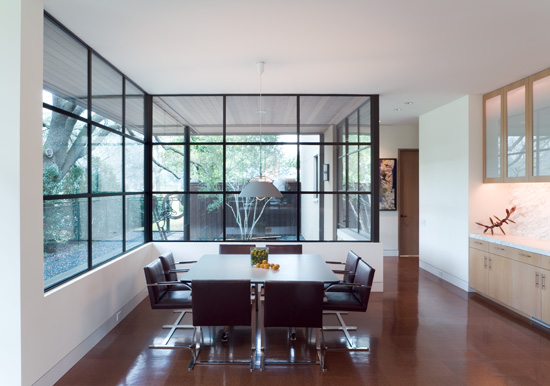
Showing posts with label Homes. Show all posts

Friday, September 19, 2014

The Two Things You Don’t Need to Hear from Your Listing Agent

Two Things You Don't Need to Hear From Your Listing Agent | Keeping Current Matters 

You’ve decided to sell your house. You begin to interview potential real estate agents to help you through the process. You need someone you trust enough to:

  1. Set the market value on possibly the largest asset your family owns (your home)
  2. Set the time schedule for the successful liquidation of that asset
  3. Set the fee for the services required to liquidate that asset

An agent must be concerned first and foremost about you and your family in order to garner that degree of trust.  Make sure this is the case.


Be careful if the agent you are interviewing begins the interview by:

  • Bragging about their success
  • Bragging about their company’s success

An agent’s success and the success of their company can be important considerations when deciding on the right real estate professional to represent you in the sale of the house. However, you first need to know they care about what you need and what you expect from the sale. If the agent is not interested in first establishing your needs, how successful they may seem is much less important.

Look for someone with the ‘heart of a teacher’ who comes in prepared well enough to explain the current real estate market and patient enough to take the time to show how it may impact the sale of your home. Not someone only interested in trying to sell you on how great they are.

You have many agents from which to choose. Pick someone who truly cares.

Thinking of selling a home, contact someone who cares.

Noemi Cardoso
William Raveis Real Estate
911 Main Rd, Westport MA 02790
Cell: 508-558-1945
www.DistinctiveHomes-NE.com

Saturday, April 26, 2014

Cork Flooring: A modern floor choice.

I had a showing on a modern house today, and the looks, 'oh's! and what's?' along with the face expressions I saw on the other agent and their buyer's were annoying. They were shocked to see a house that is not the average new englander house. Even tough the whole marketing advertises this is a 'true contemporary with european flare', somehow they still expected to see a cape with all the 'normal' local materials.

Just because you never saw a house with cork floors or Plynyl woven floormats by Chilewich, or copper counter tops, or a custom made barn door as a bathroom door, it doesn't mean they are not viable solutions to a creative archtect or home owner. There are much more building materials than the maple, brazilian cherry, oak, vinyl, ceramic, granite, marble, corian and carpet.

In many countries houses are built with cement, travertine floor and roofs are made of clay, yet, even if different from the houses in the local market, these houses are gorgeous, energy efficient, don't burn completely down with a fire and many are truly innovative. Besides being creative and not a cookie cutter local style (cape, colonial, ranch, raised ranch), a contemporary home allows for creativity, not just in style, floor plan but in use of environmetaly friendly materials.

So, I decided to share a little about some of these innovative materials. 

Today we will share information on Cork flooring, which amazingly has been used for over 100 years in Europe and South America. From harvest to installation, cork flooring is possibly the most environmentally sustainable, non-toxic and healthy of all flooring surfaces.

-x-x-x-x-

Cork Flooring: A modern floor choice

by Bob Borson

Cork flooring is a bit of a mystery – not just to me but to everyone I’ve ever asked … although they don’t all admit it. If you do any research on cork at all, you will find all sorts of conflicting information. Normally I could turn to my overwhelming experience and share more information than you would ever want to know except I have only used cork on the floor in a project once before – in this kitchen:
.
Cork Floor in the Meaders Residence
.
The client who requested this cork floor does a lot of entertaining and cooking so invariably spends hours at a time on her feet while in the kitchen. I do love the way this kitchen looks – so clean and modern – every time I look at it I ask myself “why aren’t more people using cork?”

I spent a lot of time looking for reasons to use or not use cork. I’ve skimmed millions of pro/con lists … and I have come to the conclusion that everybody has different opinions and experiences. People equally love it or hate it, there doesn’t seem to be any consistency and it’s driving me crazy!!!! The cork I’m talking about isn’t the stuff you buy to use on the typical bulletin board – that stuff is not nearly as dense and can fall apart fairly easily. No, the cork used for floors can be some amazing stuff.
.
Cork Flooring tile
.
Commercial flooring applications in Europe have been using cork for well over a century, but the growing interest in green living is making cork a more popular choice for residential living in the United States. From harvest to installation, cork flooring is possibly the most environmentally sustainable, non-toxic and healthy of all flooring surfaces.

Cork is harvested from the bark of the Quercus suber tree, more commonly referred to as a cork oak tree, which is grown in the Mediterranean region and has a life span up to 250 years. After the first 25 years of growth, the tree is stripped of its bark for the first time using traditional hand labor methods.

This process is repeated every nine years with little or no affect on the health of the tree. During each harvest, about 50 percent of the bark is removed.

Unlike traditional wood flooring, the entire tree is not cut down, only the outside is removed. Harvesting does not harm the tree and a new layer of cork bark grows, making it a renewable resource. Ultimately, old age is what kills the trees, not the harvesting process.

Similar to growth of the raw material, manufacturing methods are also geared to protect the environment. To produce cork flooring, virgin cork bark and post-industrial waste cork from the manufacturing of other cork products is ground into small granules. During the manufacturing process, all raw materials are consumed, either for the finished flooring product or as an energy source. Production waste of cork dust and tree trimmings are burned in furnaces that supply heat to bake the cork tiles.

For people with allergies, cork flooring is an ideal surface. It is antimicrobial and less likely to be affected by mold and mildew. It does not absorb dust or pollen, making it easier to rid the home of these potential allergens.

The benefits of cork don’t end there. The bark contains a substance called suberin, a waxy waterproof substance present in the cell walls of cork tissue and a natural insect repellent. Suberin also protects cork from fire and when cork is burned, it does not release any toxic gasses.

And to add to its bounty of riches, the insulating properties of cork flooring contribute to energy efficiency. Experts say that even a cork under-layment will provide significant insulation in the cold months.
.
Cork flooring tile
.

Cork Facts:

  • Cork is a completely natural product, largely unchanged by processing.
  • Cork is naturally fire resistant and it does not release any toxic gases on combustion.
  • Cork flooring is regarded as one of the better choices in flooring for natural sound insulation because it absorbs ambient sound and generally reduces noise
  • Due to the elastic nature and miniature cells composition, it is an extremely durable flooring material.
  • Cork is worth considering for people with allergies. Due to the presence of a naturally occurring substance called suberin, cork is naturally resistant to deterioration and water damage, resists the growth of mold, mildew, bacteria, prevents the cultivation of mold, and keeps away bugs and dust mites.
  • Cork flooring is warm under foot and insulates heat and cold.
  • Cork has a unique cellular structure with millions of cells enclosed with a gaseous substance, providing a comfortable cushioned surface that gives a soft feeling to the feet and joints of people walking and standing on cork floors for extended periods.
  • Cork floors have a very long life and can be repaired if damaged.
  • Cork is an anti-static surface
.
cork flooring tile
.

Cleaning Cork Floors:

The daunting task of re-finishing or re-staining cork can become a burden due to the nature of the material. Cork must be initially sealed, and re-sealed every few years in order to protect the integrity of the material by keeping dirt and moisture at bay. Since cork has a thin outer layer, moisture and excessive dirt can damage the flooring. In addition to the added maintenance of sealing the floor, cork cannot tolerate regular cleaning products and, therefore, requires special attention. A solvent paste wax is recommended, but this process can be rather time consuming to apply.
  • Wipe away spills immediately.
  • Sweep or vacuum your cork floors regularly to remove dirt, dust, grit or debris which may act like sandpaper and will scratch any floor. This will prevent abrasion or scratches on the surface of cork floor.
  • To clean a heavy stain or spill, use only the cleaners especially recommended for cleaning cork floors.
  • Cork floors being a natural wood product can absorb moisture. Never allow any liquid to stand on cork floors; water can seriously damage the floor over time.
  • Damp mop the floor at least once a week or as required. Avoid wet mopping. Be sure to use only a ‘damp’ mop as excess water will harm the floor in the long term.
  • Do not flood the floor while cleaning or mopping.
  • You can use mild wood-floor detergent once in a while for cleaning cork floors thoroughly.
  • Use only non-abrasive soaps and cleaning materials when cleaning cork floors. Do not use oils or waxes or ammonia-based cleaning products. Never use harsh solvents or cleaners; many solvents can discolor or damage the floor’s surface.
  • Place door mats and pads at the entrances, to prevent dirt, sand and grit being tracked onto the floor. However, do not use mats with rubber or other non-porous backings since these could trap moisture
.
Cork Flooring tiles

.

Resources:

I’d like to thank the following sites for contributing to my research on this post: US Floors Build Direct WE Cork Wicanders APC Cork but most of all I would like to thank Floor Covering News. Since I was having a hard time getting some information I felt was reliable, I shot an email off to FCNews and they responded back immediately. The next morning I found an email waiting for me that was full of data, resources, pictures and links. It really was above and beyond and I will remember it. I love getting such good service – makes me feel special.

Thursday, April 17, 2014

Real Estate: This Spring Will Be Different.

The KCM Crew. - Posted: 17 Apr 2014.

Just like May flowers, every spring the housing market blossoms as buyers come out ready to purchase their dream house. This spring, we believe we are going to see the strongest purchasing market we have seen in a decade.

Why are we so bullish on the housing market this spring?

Here are a few reasons:

MILLENNIALS


Contrary to many reports, this age demographic is READY, WILLING and ABLE to become homeowners. As a matter of fact, the latest National Association of Realtors’ gender study revealed that the Millennial generation has recently accounted for a greater percentage of all buyers than any other generation.

BABY BOOMERS


As prices have risen, so has the equity in many homes across American. Homeowners, having been shackled to their house because of low or negative equity for the last several years, are again free to make a move without worrying about bringing cash to a closing table in order to sell. We believe this new-found freedom will release a pent-up demand of sellers who want to move-up to the home they’ve always dreamed of or want to downsize their primary residence and also purchase a second home they can use for vacation, retirement or both.

BOTH PRICES and MORTGAGE RATES are on the RISE


As the economy improves, more and more Americans are regaining faith that their own personal finances are headed in a positive direction. With this new confidence, they want to take advantage of the opportunity that presents itself with real estate still undervalued in most parts of the country and mortgage rates being well below historic numbers.

Wednesday, April 9, 2014

A Home’s Cost vs. Price Explained


We have often talked about the difference between COST and PRICE. As a seller, you will be most concerned about ‘short term price’ – where home values are headed over the next six months. As either a first time or repeat buyer, you must not be concerned about price but instead about the ‘long term cost’ of the home. Let us explain.

Recently, we reported that a nationwide panel of over one hundred economists, real estate experts and investment & market strategists projected that home values would appreciate by approximately 8% from now to the end of 2015.

Additionally, Freddie Mac’s most recent Economic Commentary & Projections Table predicts that the 30 year fixed mortgage rate will be 5.7% by the end of next year.

What Does This Mean to a Buyer?


Here is a simple demonstration of what impact these projected changes would have on the mortgage payment of a home selling for approximately $250,000 today:

Cost-of-Waiting0407

Tuesday, April 8, 2014

3 Reasons to Sell Your Home This Spring


4.8 Visual
Many sellers are still hesitant about putting their house up for sale. Where are prices headed? Where are interest rates headed? These are all valid questions. However, there are several reasons to sell your home sooner rather than later. Here are three of those reasons.

1. Demand is about to skyrocket


Most people realize that the housing market is hottest from April through June. The most serious buyers are well aware of this and, for that reason, come out in early spring in order to beat the heavy competition. We also have a pent-up demand as many buyers pushed off their home search this winter because of extreme weather. Sellers in markets where seasonal weather is never an issue must realize that buyers relocating to their region will increase dramatically this spring as these purchasers finally decide to escape the freezing temperatures of the winters in the north.

These buyers are ready, willing and able to buy…and are in the market right now!

2. There Is Less Competition - For Now


Housing supply always grows from the spring through the early summer. Also, there has been a growing desire for many homeowners to move as they were unable to sell over the last few years because of a negative equity situation. Homeowners have seen a return to positive equity as prices increased over the last eighteen months. Many of these homes will be coming to the market in the near future.

The choices buyers have will continue to increase over the next few months. Don’t wait until all the other potential sellers in your market put their homes up for sale.

3. There Will Never Be a Better Time to Move-Up


If you are moving up to a larger, more expensive home, consider doing it now. Prices are projected to appreciate by approximately 4% this year and 8% by the end of 2015. If you are moving to a higher priced home, it will wind-up costing you more in raw dollars (both in down payment and mortgage payment) if you wait. You can also lock-in your 30 year housing expense with an interest rate at about 4.5% right now. Freddie Mac projects rates to be 5.1% by this time next year and 5.7% by the fourth quarter of 2015.

Moving up to a new home will be less expensive this spring than later this year or next year.

Thursday, January 30, 2014

10 Things That Make a Home a Good Home

Buyers spend a lot of time looking at properties online, touring homes on the Sunday open house circuit, and talking to their real estate agent. They’re laser-focused on finding the best home that meets their needs. The problem is, buyers sometimes don’t take the long view of a property. They’re only looking at a home as a potential buyer — and not as someone who, years down the road, may also have to sell the property. Given that homes are such a big investment, there should be a little inside your head, picking away at your options and decisions.

As the home buying market starts to heat up again, here are ten things you should consider when choosing your next home.

1. Location, location, location


Perhaps nothing is more important than the three L’s, and there’s a reason why it’s said three times.

Location is extremely important when it comes time to sell. You can have the worst house in the world with the ugliest kitchen and bath. But put it on a great block or in a good school district, and your home will be coveted.

Location location location matters on so many different levels. At the highest level is the town where the house is located, then the school district, then the neighborhood and the block — right down to the location of the lot on the block. Keep all of this in mind when shopping. Also remember that while real estate markets rise and fall, no one can take a great location away from you.

2. The school district


The school district is right up there on the list of what’s most important to many buyers. It’s not uncommon for buyers to start their search based solely on the school district they want to be in. Parents want their kids to go to the best school, which can drive up prices of homes in those districts. Even though you might not have children, buying a home in a good school district is always smart. If the schools are desirable, homes tend to hold their value. As a homeowner, you should always be aware of how the schools are doing, not unlike being aware of your roof’s condition, the neighborhood development or city government.

3. The home’s position on the lot


Where the home sits on the lot in relation to the street or the overgrown oak are key elements in picking out a home. In the case of a condo, an end unit vs. an interior unit is a key consideration. You may have chosen the most beautifully renovated home in the best school district and figure all is good. But if the main living areas are shaded by a neighbor’s extension or the master bedroom looks into the neighbors’ family room, you may have a location problem. Light or privacy may not be a hot button for you, but chances are, they might be concerns for a future buyer.

4. Crime


It’s a good idea to check the latest crime figures for a neighborhood. It can give you a good snapshot about the number and severity of crimes over a time period. So much information is online nowadays that when you find your perfect home, a quick Internet search on the area should provide you with the much-needed information.

Most municipalities post their police blotters or crime statistics online these days.  Don’t freak out if you notice more crime than what you’d have expected. Crime, especially petty crime, is everywhere. If you’re new to the area, consult with your real estate agent if you have concerns.

5. Walkability


More than ever, ‘walkability’ is becoming a key factor in the search process.  There are entire websites, apps and algorithms that help people figure out how walkable their future home is. As a matter of fact, Zillow even has a Walk Score for most homes.  As people get out of their cars and slip into their Keds, they want a home in a walkable neighborhood. People put high value on the ability to walk to a store, school, work or public transportation.  The more we move away from cars and the more we see invested in public transportation over the coming decades, the more of a huge value-add walkability will become.

6. The neighborhood’s character


You may have found the absolute most perfect home, on the best block, in the best school district and on a great lot. But there could be circumstances outside your control that may give you pause — specifically, the character of the surrounding neighborhood.

Check out the area late at night, early morning and in the middle of the day. See if there are any odd weather or traffic patterns and try to observe some of the neighbors. You may even go so far as talking to some neighbors. It’s important to walk around, open your eyes and ears and make sure there isn’t anything you’re overlooking. That next-door neighbor practicing drums in the garage at 9 p.m. could be a source of immediate neighbor conflict. Go into it with eyes wide open.

7. Don’t buy the best house on the block


Simply put, avoid buying the best house on the block because there may not be any room for your investment to grow (unless you physically have the house moved to a better neighborhood). It’s better to buy the worst house on the best block, because you can improve the house to add value to an already great location.

8. Is it a fixer-upper?


If you’re buying a fixer-upper, make sure you understand what you’re getting into.  Did you set out to buy a home that needed work? Or does the home just happen to be in the most desirable neighborhood, the block of your dreams?

Do your homework upfront. If you want to build an extension or add another story to the property, make sure it is within local zoning or building codes. Have the property inspected so that you know exactly what you’re getting yourself into. Sometimes, what appears to be a simple kitchen needing cosmetic work turns out to be a huge project. Ask yourself repeatedly if your life can support a home renovation. Not only does a renovation take money, it takes time, energy and emotional stress.

9. Will the home hold its value?


A good real estate agent who’s been working the neighborhood for some time can vouch for the long-term value or investment potential of the property. But be sure to find ways to add value, or at least be certain the home will hold its value.

The market may be strong when you purchase, but ask yourself, “Am I in a seller’s market?” “What would happen to this property if the market changed tomorrow”? Check out the median home value in the neighborhood as it compares to neighborhoods around it. The Zillow Home Value Index gives you one, five, and 10-year snapshots of how home values have gone up or down in neighborhoods and cities.

10. Taxes, dues and fees


Many people overlook the monthly fees associated with homeownership. Nearly every property will have taxes, and any sort of planned community or homeowners association (HOA) will have regular assessments.

Be sure that the amount of property tax and assessments are clear from the get-go. If in doubt, go to city hall or do research online. If you’d be buying into a condo complex, be sure to get your hands on the meeting minutes, financials of the HOA and the condo documents. Any mention of changes coming down the pike?

Does the HOA seem well funded? It could take one quick $10K assessment to immediately affect property values if you need to turn around and sell your new home. And any uncertainty about the building, its integrity or the financials could scare off buyers when it’s time to sell.

Author:

Monday, January 20, 2014

3 Questions to Ask Before Buying a Home


If you are thinking about purchasing a home right now, you are surely getting a lot of advice. Though your friends and family have your best interests at heart, they may not be fully aware of your needs and what is currently happening in real estate. Let’s look at whether or not now is actually a good time for you to buy a home.

There are three questions you should ask before purchasing in today’s market:

1. Why am I buying a home in the first place?


This truly is the most important question to answer. Forget the finances for a minute. Why did you even begin to consider purchasing a home? For most, the reason has nothing to do with finances. A study by the Joint Center for Housing Studies at Harvard University reveals that the four major reasons people buy a home have nothing to do with money:

  • A good place to raise children and for them to get a good education
  • A place where you and your family feel safe
  • More space for you and your family
  • Control of the space

What non-financial benefits will you and your family derive from owning a home? The answer to that question should be the biggest reason you decide to purchase or not.

2. Where are home values headed?


When looking at future housing values, we like the Home Price Expectation Survey. Every quarter, Pulsenomics surveys a nationwide panel of over one hundred economists, real estate experts and investment & market strategists about where prices are headed over the next five years. They then average the projections of all 100+ experts into a single number.

Here is what the experts projected in the latest survey:

  • Home values will appreciate by 4.3% in 2014.
  • The cumulative appreciation will be 28% by 2018.
  • Even the experts making up the most bearish quartile of the survey still are projecting a cumulative appreciation of over 16.8% by 2018.


3. Where are mortgage interest rates headed?


A buyer must be concerned about more than just prices. The ‘long term cost’ of a home can be dramatically impacted by an increase in mortgage rates.

The Mortgage Bankers Association (MBA), the National Association of Realtors, Fannie Mae and Freddie Mac have all projected that mortgage interest rates will increase by approximately one full percentage over the next twelve months.


Bottom Line


Only you and your family can know for certain the right time to purchase a home. Answering these questions will help you make that decision.

So when you are ready feel free to contact me because I am ready when you are.

Noemi Cardoso
William Raveis Real Estate
508-558-1945
www.DistinctiveHomes-NE.com

Tuesday, January 7, 2014

Predictions for 2014: Sales Will Surge


Many housing pundits are calling for home sales to do slightly better in 2014 than they did in 2013. To the contrary, we strongly believe that home sales will skyrocket with increases of 10-15% in 2014. Here are the three categories of buyers we believe will create this strong demand.

The First Time Buyer


The Urban Land Institute recently released a report, Emerging Trends in Real Estate 2014, projecting that 4.48 million new households will be formed over the next three years. Millennials will make up a large portion of these new households. With the economy improving, we believe they will finally be moving out of their parents’ homes and, when they compare renting versus buying, many will choose homeownership.

The Move-Up Buyer 


Over the last several years many homeowners were trapped in their home by negative equity. This prevented them from moving up to the home of their dreams. Zillow has just revealed that home equity increased by $1.9 trillion dollars in 2013 an increase of 7.9% in the last twelve months. With home values rising, this pent-up demand will finally be released and move-up properties will be in high demand.

The Immigrant Buyer


No one knows what will happen with immigration reform. However, we do know what such reform would have on housing demand. A recent study released by the Immigration Task Force of the Bipartisan Policy Center (BPC) found that immigration reform, if passed, would dramatically increase demand for housing units; increasing residential construction spending by an average of $68 billion per year over the next 20 years.

We realize that our projections are based on three situations that are still uncertain. However, we believe that these issues will come to fruition and thereby dramatically increase demand for homeownership.


It is up to the builders and real estate agents in each community to make sure this doesn’t happen.

Thursday, December 26, 2013

Tapering Begins!


The Fed announced they would be pulling back some of their stimulus package which has helped the housing market by keeping long term mortgage rates at historic lows for the last few years. This should come as no surprise as the KCM Blog has been warning of this likelihood over the last several months.

We even went against the belief of the vast majority of economists who thought the Fed would wait until next year. In this month’s edition of KCM, we quoted Bill McBride of Calculated Risk:

“Although the consensus is the Fed will wait until 2014 to start to taper asset purchases, December is still possible.”

We also gave our members the following grouping of slides to help them explain the ramifications of the Fed’s decision during meetings with buyers and sellers.

Tapering


What it Means to the Consumer


In an article in MarketWatch today, Lawrence Yun, the Chief Economist at NAR, explained that sellers looking to move-up (to a better school district or larger home) “need to realize that it could be more challenging a year from now.” Yun stated the average 30-year mortgage rate currently hovers at 4.3%, but that could rise to 5% or 5.5% next year.

What it Does NOT Mean to the Housing Market


Some reports will now claim that housing prices will have to drop as interest rates begin to rise. There is no historical evidence of this. Below is a chart showing the last four instances of mortgage rates rising dramatically and what happened to home values at the time.

12-23 Rates and Prices

Bottom Line


If a client is either a first time buyer or a move-up buyer, they should make the move earlier in 2014 instead of later as mortgage rates will probably increase as the year goes on.

Many people ask me when it is the right time to buy or sell. Well, the market is always moving and the right time depends on your personal circumstances. If you are  ready to move forward to that dream home, or downsize, or get a bigger house because the family is growing, or stop paying rent, or jumping into a new job to start with the new year...whatever your reason is, that is the right time for you.

If your time is right feel free to contact me so we can start a marketing campaign to get your home sold or start looking for that place you can call home.

Saturday, November 23, 2013

5 Reasons to Sell Before Spring


Vermont-Autumn
Many sellers feel that the spring is the best time to place their home on the market as buyer demand increases at that time of year. However, the fall and winter have their own advantages. Here are five reasons to sell now.

Only Serious Buyers Are Out


At this time of year, only those purchasers who are serious about buying a home will be in the marketplace. You and your family will not be bothered and inconvenienced by mere 'lookers'. The lookers are at the mall or online doing their holiday shopping.

There Is Far Less Competition


Housing supply always shrinks dramatically at this time of year. The choices for buyers will be limited. Don't wait until the spring when all the other potential sellers in your market will put their homes up for sale.

The Process Will Be Quicker


One of the biggest challenges of the 2013 housing market has been the length of time it takes from contract to closing. Banks have been inundated with both purchase and refinancing loan requests. Both of these will slow in the winter cutting timelines and the frustration these delays cause both buyers and sellers.

There Will Never Be a Better Time to Move-Up


If you are moving up to a larger, more expensive home, consider doing it now. Prices are projected to appreciate by over 25% from now to 2018. If you are moving to a higher priced home, it will wind-up costing you more in raw dollars (both in down payment and mortgage payment) if you wait. You can also lock-in your 30 year housing expense with historically low interest rates right now. There is no guarantee rates will remain at these levels in years to come.

It's Time to Move On with Your Life


Look at the reason you decided to sell in the first place and decide whether it is worth waiting. Is money more important than being with family? Is money more important than your health? Is money more important than having the freedom to go on with your life the way you think you should?
You already know the answers to the questions we just asked. You have the power to take back control of the situation by pricing your home to guarantee it sells. The time has come for you and your family to move on and start living the life you desire. That is what is truly important.

Noemi Cardoso
William Raveis Real Estate
Serving MA & RI
Cell: 508-558-1945
www.DistinctiveHomes-NE.com

Tuesday, November 12, 2013

Where Prices are Headed over the Next 5 Years

KCM Team - November 12th, 2013.

Today, many real estate conversations center on housing prices and where they may be headed. That is why we like the Home Price Expectation Survey. Every quarter, Pulsenomics surveys a nationwide panel of over one hundred economists, real estate experts and investment & market strategists about where prices are headed over the next five years. They then average the projections of all 100+ experts into a single number.

The results of their latest survey

The latest survey was released last week. Here are the results:

  • Home values will appreciate by 4.3% in 2014.
  • The average annual appreciation will be 4.2% over the next 5 years 
The cumulative appreciation will be 28% by 2018.

Even the experts making up the most bearish quartile of the survey still are projecting a cumulative appreciation of over 16.8% by 2018.

Individual opinions make headlines. We believe the survey is a fairer depiction of future values.

Wednesday, September 25, 2013

Wealthy Pick Real Estate Over the Stock Market


by The KCM Crew on September 2013 -  in For Buyers

We are taught from birth that the quickest way to achieve a goal is to seek out those who have already accomplished the goal and do what they do. Interested in creating wealth? It seems the wealthy trust real estate as an investment before even the stock market.

A recent survey revealed that 75 percent of luxury homebuyers believe homeownership is a more sound investment than the stock market. The study also reported 57 percent of employed luxury homeowners believe homeownership is a bigger indicator of success than their job or title.

Want to join the wealthy? Invest in real estate.

Noemi Cardoso
William Raveis Real Estate
Local Office. Local Agents. Local Knowledge.
www.DistinctiveHoems-NE.com

Tuesday, August 13, 2013

Real Estate without Freddie and Fannie


by THE KCM CREW on AUGUST 13, 2013 


“The good news is right now there’s a bipartisan group of senators working to end Fannie and Freddie as we know them. And I support these kinds of reform efforts."
- President Obama, August 6th

Ending Freddie Mac and Fannie Mae will mean two things to the housing industry: higher rates and probably shorter mortgages. This will result in larger monthly mortgage payments.

Fannie Mae and Freddie Mac are government run agencies that have propped up a troubled real estate market over the last several years. The agencies always had a place within the mortgage sector but over the past several years have been involved in over 90% of new mortgage originations. As they wind down this involvement, the mortgage space may change dramatically.
David Stevens, CEO of the Mortgage Bankers Association and a former Obama administration housing official, in a recent AP article explains what will be the result of winding down Fannie and Freddie:
 
“You have to assume that almost in any future model being drafted, loans will be more expensive.”
This will be felt in two ways.

Higher Interest Rates

In the same AP article, Mark Zandi, chief economist at Moody’s Analytics, reveals:
 
“It will mean higher mortgage rates. The question is how much higher.”

According to Zandi, borrowers could pay about ½ point higher in interest rate ($75-$135 extra in interest payments per month to the average purchaser on a $200,000 loan).
 
Why a projected increase in rates? The average 30 year mortgage rate over the last three decades is 8.69%. From 2003-2008, it was 6.06%. Part of the government’s stimulus program was spent on keeping mortgage rates low while the economy recovered. Many think that rates will return to the 6-6.5 range should Fannie and Freddie cease operations.
 

Shorter Loan Terms

 
Once Freddie and Fannie no longer exist, the question becomes whether or not the private sector will any longer feel comfortable issuing a fixed rate loan for 30 years. In Canada, for example, they don’t even have 30 year fix rate mortgages available. The vast majority of Canadian home loans have a 25 year payout with the interest rate being renegotiated every five years. If rates go down, the borrower will wind up with a lower rate. If rates go up, the borrower ends up paying a higher rate. If you want a fixed rate mortgage for 25 years you pay a rate approximately two percentage points higher than the going rate at the time of your closing.

Some believe that the private sector will no longer make the 30 year mortgage option available for at least a portion of borrowers.

Bottom Line
It will be interesting to see how the winding down of the two agencies impacts the housing market going forward.

Noemi Cardoso
William Raveis Real Estate
508-558-1945
www.DistinctiveHomes-NE.com
 

Monday, August 12, 2013

Buying or Selling a Home? Where Are Values Headed?

by The KCM Crew on August 12, 2013

Today, many real estate conversations center around housing prices and where they may be headed. Some believe rapidly rising prices have created a new ‘housing bubble’. Others believe that the sudden rise in interest rates will impact purchasing power to such a degree that it will force prices downward. There is no lack of opinions and there is absolutely no consensus.

That is why we like the Home Price Expectation Survey. Every quarter, Pulsenomics surveys a nationwide panel of over one hundred economists, real estate experts and investment & market strategists about where prices are headed over the next five years. They then averages the projections of all 100+ experts into a single number.

The results of their latest survey


The latest survey was released last week. Here are the results:

  • Home values will appreciate by 6.7% in 2013.
  • The average annual appreciation will be 4.7% over the next 5 years
  • The cumulative appreciation will be 23.7% by 2017.
  • Even the experts making up the most bearish quartile of the survey still are projecting a cumulative appreciation of over 13% by 2017.

Individual opinions make headlines. We believe the survey is a fairer depiction of future values

Noemi Cardoso
William Raveis Real Estate
508-558-1945
www.DistinctiveHomes-NE.com


Saturday, July 27, 2013

Selling a House: What Does it Take?

by The KCM Crew on July 2013. -  For Sellers, Pricing

The most important need of anyone attempting to sell their house is – TO GET IT SOLD! It is imperative that you, the agent, are very direct in what it takes to get a house sold. Here is a checklist we put together.

ACCESS


A seller should be willing to give almost unlimited access to potential purchasers if they are looking to sell. Any restrictions to showing the home will result in fewer buyers which could result in a lower price, a longer time on market or both.

CONDITION


Condition goes a long way in determining whether or not a house sells. Bringing in a professional stager is the ultimate answer. If that is not possible, the seller should at least be willing to remove all the clutter and ‘throw on’ a fresh coat of paint where necessary.

MORTGAGE OPTIONS


Very few owners are willing to give a first mortgage to a potential buyer. However, there are other mortgage options they perhaps should consider. Allowing FHA financing is an example. Perhaps, they would be willing to help the buyer out with a seller’s concession. The easier it is for a purchaser to finance the home, the greater the chance more buyers will be interested.

PRICE


Every house must be sold twice: to the buyer and to the bank if a mortgage is involved. To get a home sold the price has to be right. There are studies that have shown that listing a house at a price greater than the market warrants results in that home taking a longer time to sell and also selling for less money.

When selling we are the professional you have been looking for. Giver us a call and let's discuss the best online marketing plan to get your home SOLD!

Noemi Cardoso
William Raveis R.E.
Serving MA & RI
508-558-1945
www.DistinctiveHomes-NE.com
 

Wednesday, July 24, 2013

Buying a Home? Don’t Let Fear Get in Your Way

financial burden

Our founder, Steve Harney, occasionally asks to do a personal post on what he sees as important to our industry. Today is one of those days. Enjoy! – The KCM Crew

Last week, I was talking to a young couple I know that was about to close on their first home. They were riding the wild rollercoaster of current mortgage rate swings and were not happy about the mortgage process overall. Yet, when the conversation shifted to finally living in a home that they own, their disposition changed dramatically.

A smile came across their faces as they talked about decorating their son’s bedroom and how much he will enjoy the backyard. They talked about inviting friends over for dinner and their family over for the holidays. The more they talked, the more excited they became.

I asked them if many of their friends were also buying. I was shocked to find out that they weren’t. Why not? Their friends believed that homeownership was financially unobtainable right now. Many wanted to own but didn’t think they could afford the monthly mortgage payment. They decided to rent instead.

I said that, with interest rates and prices where they are today, owning a home might not be any more expensive than renting one. The couple agreed but said their friends were afraid; afraid they might not qualify for a loan, afraid to handle negotiations with a seller, afraid of the home buying process itself.

Wow!

People should not make decisions out of fear! I’m not saying that every young person should own a home. I am saying that anyone that is qualified and wants to buy should not be afraid of the process. I realize the process may seem daunting but realize over 10,000 homes sell every day in this country. Sit down and discuss your goals with professionals from both the real estate and mortgage industries. Get the facts. Make an informed decision. Don’t let the fear of the unknown prevent you from living the life of your dreams.

Prices are slowly creeping up again, interests are no longer at the 3% range and inventory is lower than it have been. If you are ready, pre-qualified to buy a home, don't wonder when it is the right time, because the right time is starring at you.

Is this the time for you to make a move and start looking for a place to call home? If so, contact me and let me start looking for your new home.

Noemi Cardoso
William Raveis Real Estate
Cell: 508-558-1945
www.DistinctiveHomes-NE.com
Noemi@ncardoso.com

by Steve Harney on July 24, 2013

Tuesday, July 23, 2013

Buying a Home? If You Can, Buy Two

OB-KG706_roi093_G_20100930200048[1]

John Paulson gave the keynote lunchtime address at the CNBC/Institutional Investor conference recently. He believes that housing will continue its strong recovery for the next 4 to 7 years saying:
The housing market has bottomed. It’s not too late to get involved. I still think buying a home is the best investment any individual can make. Affordability is still at an all-time high.”
When asked how the average person can take advantage of the current real estate market, Paulson said:
“Buy a home and, if you can, buy a second home.”
Should we care what Mr. Paulson thinks? Should we listen to him? The answer to both questions is a resounding ‘YES’. Here is why.

Who is John Paulson?

Paulson is the person who made a fortune back in 2007 betting that the subprime mortgage mess would cause the real estate market to collapse. He understands how the housing market works and knows when to buy and when to sell.

If we are to trust anyone’s advice, it should be Mr. Paulson’s. by The KCM Crew on July 22, 2013 · in For Buyers 

Ready to get into the market and buy that dream home? If so give me a call and let's start working.

Noemi Cardoso
William Raveis Real Estate
Serving MA & RI
Speaks Portuguese
508-558-1945
www.DistinctiveHomes-NE.com


Monday, July 8, 2013

Buying a House: The Cost If You Waited

by The KCM Crew on July 8, 2013
 
We often talk about the potential cost of waiting to buy a home. Today, we want to look at the actual cost for someone who waited over the last year. We used a 10% increase in house values as prices have gone up by double digits in the country on average. We looked at approximate mortgage rates last year compared to this year. Here is the impact on a monthly mortgage payment (principal and interest):
 
Cost
 
We are on a point that it is not if the prices and rates will increase anymore, but when. If you have been contemplating the idea of buying a home, today is not as good as yesterday but it look much better than tomorrow, so give me a call and let's get you on the home you have been dreaming of.
 
Noemi Cardoso
William Raveis Real Estate
508-558-1945
www.DistinctiveHomes-NE.com
 

Monday, June 24, 2013

Buying a House? 3 Reasons to Do it Now!

by The KCM Crew on June 24, 2013

Here are three great reasons to consider buying a home today instead of waiting.

1.) Prices Will Continue to Rise


Standard & Poors recently upgraded their 2013 forecast for the S&P/Case-Shiller Home Price Index to an 11% year-over-year increase from their original 8% projection.
 
The Home Price Expectation Survey, which polls a distinguished panel of over 100 economists, investment strategists, and housing market analysts, projects a 22.3% appreciation in home values over the next five years. The bottom in home prices has passed. Waiting no longer makes sense.

2.) Mortgage Interest Rates Are Increasing


As reported by Freddie Mac, interest rates for 30-year fixed-rate mortgages have risen about 1/2 percentage point over the past several weeks.

The National Association of Realtors, the Mortgage Bankers Association and Fannie Mae are calling for interest rates to rise by approximately an additional ½ percentage point by this time next year. Some are trying to minimize the impact of higher rates. For example, Freddie Mac in their June U.S. Economic and Housing Market Outlook stated:
“At today’s house prices and income levels, mortgage rates would have to be nearly 7 percent before the U.S. median priced home would be unaffordable to a family making the median income in most parts of the country.”
However, an increase in rates will impact YOUR monthly mortgage payment. Whether you are moving up or moving down, your housing expense will be more a year from now if a mortgage is necessary to purchase your next home.

3.) It’s Time to Move On with Your Life


The ‘cost’ of a home is determined by two major components: the price of the home and the current mortgage rate. It appears that both are on the rise. But, what if they weren’t? Would you wait?
Look at the actual reason you are buying and decide whether it is worth waiting. Whether you want to have a great place for your children to grow up, you want your  family to be safer or you just want to have control over renovations, maybe it is time to buy.

If the right thing for you and your family is to purchase a home this year, buying sooner rather than later could lead to substantial savings.

In short, if you are playing with the thought of buying a home, NOW is the time. Give me a call and let's get moving and finding you that new home before the end of summer and lock you on the still good interest rates and housing prices.

Noemi Cardoso
William Raveis Real Estate
Cell: 508-558-1945
www.DistinctiveHomes-NE.com
Noemi@DistinctiveHomes-NE.com
 

Monday, June 3, 2013

When To Buy a House? RIGHT NOW!

by The KCM Crew on June 3, 2013 ·


After witnessing the housing bubble ‘pop’ just a few years ago, many would be buyers may be hesitant to pull the trigger. Today, we want to explain that the greatest risk a buyer can take right now is actually waiting to buy a home.

We realize that every purchaser wants to be able to get the best deal. They want a great price and the lowest mortgage interest rate possible because those to items together will determine the monthly cost their family will pay. Let’s look at each one:

Are home prices rising?


Just last week, the Case Shiller Pricing Index was released. The index revealed that U.S. home prices increased by 10.2% over the last twelve months. Last month, the Home Price Expectation Survey was released predicting that home values would increase by at least an additional 3.5% for each of the next five years.

If you were waiting for the absolute bottom of the home price declines, you already missed it.

Are interest rates rising?


According to Freddie Mac’s Weekly Primary Mortgage Market Survey, the 30 year mortgage rate shot up to 3.81% last week – the highest level in over a year. This is an increase of a half of a percentage point in the last six months. And the Mortgage Bankers Association, Fannie Mae and the National Association of Realtors all predict that rates will continue rise over the next eighteen months.

Conclusion


If the right thing for you and your family is to purchase a home this year, buying sooner rather than later could lead to substantial savings.

Numbers don't lie and if you wonder when the bottom of the market is going to happen we are sorry to say it has already happened.

If you are ready to move forward with that homeownership dream give me a call and lets start looking for that special place that you will call 'HOME'

Noemi Cardoso
William Raveis Real Estate
508-558-1945
www.DistinctiveHomes-NE.com
Noemi@DistinctiveHomes-NE.com